Home Blog Page 4

10 Beautiful Travel Quotes that will inspire you to travel the whole world.

1

Travel is not just a way to escape the daily routine but also a means of discovering new cultures, exploring new horizons, and finding inspiration. If you’re looking for some motivation to plan your next adventure, here are 10 beautiful travel quotes that will inspire you to travel the whole world. These quotes range from the philosophical to the whimsical and will help you see the world through a different lens. Whether you’re a seasoned traveler or just starting to wander, these quotes are sure to evoke feelings of wonder, excitement, and a desire to see more of what the world has to offer. Get ready to be inspired and start packing your bags!

10 Beautiful Travel Quotes that will inspire you to travel the whole world.
Following are the best ten travel-inspiring quotes that will inspire you to travel the whole world. These beautiful quotes are the best-traveling quotes of all time. If you have not been inspired by the natural beauty of Gilgit Baltistan yet, read these awesome quotes that might inspire you to visit Gilgit Baltistan this year. Watch the video below.

Video: 10 Beautiful Travel Quotes.

To travel is to take a journey into yourself

Danny Kaye.

To travel is to take a journey into yourself” is a quote by Danny Kaye that speaks to the introspective aspect of travel. When we travel, we are not just physically moving from one place to another but also embarking on a journey of self-discovery. By stepping out of our comfort zones and exposing ourselves to new experiences, we gain a deeper understanding of ourselves and what we value. This quote reminds us that travel can be a powerful tool for personal growth and self-reflection.

”Not all those who wander are lost”

J.R.R Tolkien.

Not all those who wander are lost” is a quote by J.R.R. Tolkien that has become a popular saying among travelers. The quote emphasizes that traveling and exploring can be a form of purposeful journey, rather than just aimless wandering. It encourages us to embrace the spirit of adventure and see travel as a means of discovering new places, cultures, and experiences, rather than feeling lost or unsure. Whether you’re traveling solo, with friends or family, this quote serves as a reminder to embrace the journey, enjoy the moments, and never stop exploring.

”The world is a book and those who do not travel read only one page”

Saint Augustine.

The world is a book and those who do not travel read only one page” is a quote by Saint Augustine that highlights the importance of travel and its role in expanding our perspectives and knowledge. This quote emphasizes that there is much to be gained from seeing the world and experiencing new cultures and ways of life. By traveling, we open ourselves up to new possibilities and gain a deeper understanding of the world. Those who do not travel are limited to their own experiences and miss out on the opportunity to gain a wider and more enriching perspective. This quote is a reminder to keep exploring and never stop learning through travel.

” Once a year go some place, you have never been”

Anonymous.

Once a year go someplace you have never been” is a quote that emphasizes the importance of stepping outside of our comfort zones and exploring new destinations. The quote encourages us to make travel a priority and to seek out new experiences and cultures on a regular basis. By traveling to a new place each year, we expand our horizons, challenge ourselves, and broaden our perspectives. This quote is a reminder to prioritize adventure, seek new experiences, and never stop exploring the world around us.

”People don’t take trips, trips take people”

Jhon Steinbeck.

People don’t take trips, trips take people” is a quote by John Steinbeck that highlights the transformative power of travel. The quote suggests that travel has the ability to shape us, change our perspectives, and leave a lasting impact on our lives. By setting out on a journey, we open ourselves up to new experiences and cultures and gain a deeper understanding of the world and ourselves. This quote is a reminder that travel is not just about the destination, but about the journey and the impact it has on us.

10 Beautiful and Inspiring Travel Quotes

” Traveling, it leaves you speechless, then turns you into a story teller”

Ibn Battuta.

Traveling, it leaves you speechless, then turns you into a storyteller” is a quote by Ibn Battuta that captures the essence of the transformative power of travel. The quote suggests that traveling can be a humbling and awe-inspiring experience that often leaves us at a loss for words. However, over time, as we reflect on our travels, we become storytellers, eager to share our experiences and insights with others. This quote highlights the idea that travel has the power to shape our perspectives and enrich our lives in countless ways. Whether we’re seeking adventure, enlightenment, or simply a break from the daily routine, travel has the ability to inspire and amaze us.

10 Beautiful and Inspiring Travel Quotes

”It feels good to lost in the right direction”

Anonymous.

It feels good to be lost in the right direction” is a quote that speaks to the joy and freedom of travel. The quote suggests that there is something liberating about stepping out of our comfort zones and getting lost in new places and experiences. When we travel, we have the opportunity to break free from our routine and explore uncharted territories, both physically and mentally. This quote highlights the idea that getting lost, in the right direction, can be a valuable and enriching experience that opens us up to new possibilities. Whether we’re traveling solo or with others, this quote reminds us to embrace the journey and to see getting lost as an opportunity for growth and self-discovery.

10 Beautiful and Inspiring Travel Quotes

”It is better to see something ones than to hear about it thousand times”

Anonymous.

It is better to see something once than to hear about it a thousand times” is a quote that highlights the importance of experiencing things for ourselves, especially when it comes to travel. The quote suggests that seeing a place or experiencing a culture firsthand is more valuable and impactful than hearing about it from others. By traveling and experiencing new destinations, we gain a deeper understanding and appreciation of the world and its diverse cultures. This quote is a reminder to prioritize travel and to see the world for ourselves, rather than relying on secondhand accounts or hearsay. Whether we’re seeking adventure, enlightenment, or simply a change of pace, travel has the ability to broaden our perspectives and enrich our lives in countless ways.

Top Travel Quotes that will inspire you to travel the whole world.

”One’s destination is never a place, but always a new way of seeing things”

Henry Miller.

One’s destination is never a place, but always a new way of seeing things” is a quote by Henry Miller that speaks to the transformative power of travel. The quote suggests that travel is not just about reaching a physical destination, but about the journey and the way it changes our perspectives. By traveling, we gain new insights and experiences and see the world in a different light. This quote is a reminder that the true value of travel is not in reaching a specific place, but in the growth, enlightenment, and personal transformation that comes from the journey itself. Whether we’re exploring new cultures, seeking adventure, or simply taking a break from the daily routine, travel has the ability to broaden our horizons and enrich our lives in countless ways.

″If an ass goes traveling, he will come home a horse”

Thomas Fuller.

If an ass goes traveling, he will come home a horse” is a quote by Thomas Fuller that speaks to the transformative power of travel. The quote suggests that by setting out on a journey, we have the opportunity to grow and change in meaningful ways. Travel has the ability to broaden our perspectives, expose us to new cultures and ways of life, and enrich our lives in countless ways. This quote highlights the idea that travel has the power to shape us, make us wiser, and bring out the best in us. Whether we’re seeking adventure, enlightenment, or simply a break from the daily routine, travel has the ability to change us for the better, just as an ass that travels becomes a horse.

I hope you have enjoyed this list of Top Travel Quotes. Tell us in the comment section which one you like the most and which inspired you to travel.

4 Most Beautiful Fresh Water Lakes in The Vicinity of Skardu City.

0

You need to refresh yourself, why not visit Gilgit Baltistan? The unique geography of Gilgit Baltistan has made it a global destination. Start planning your tour today, and don’t forget to visit these beautiful and freshwater lakes in Skardu City. These natural lakes, with glittering freshwater in the vicinity of Skardu, adds the beauty of this region. Apart from other natural beauty of Skardu and its surroundings, these lakes in Skardu city provides amazement to you.

Here are the top most beautiful and visited Lakes in Skardu city.

  1. Shangrila Lake, also known as lower Kachura Lake.
  2. Upper Kachura Lake, also known as Frogh Scho.
  3. Sadpara Lake,
  4. Blind Lake, also known as Jarbazoo.

Shangrila Lake Kachura Skardu.

The famous lower Khachura lake, popularly known as Shangrila Lake.  It is on a 30 minutes drive from Skardu city, and 20 km away at Kachura Valley Baltistan. Shangrila Lake is home to a luxuriously designed Shangrila Resort. The lake is so pristine that it leaves traces on your mind forever. The lake has gone recreational work and it is a heart shape, which looks very magnificent and beautiful.

Read more about Kachura Lakes in details here:

#winter #beauty of #shangrila #lake #Gilgit #Baltistan #Amazing

A post shared by GBiT (@gbit.pk) on

Upper Kachura Lake Kachura Skardu.

Upper Kachura lake is also known as Frogh Scho. This lake is the second most beautiful lake in the vicinity of Skardu city. Upper Kachura lake is at a distance of 27.7km from Skardu city. It is easily accessible on cars. It is a beautiful lake with fresh and clear blue water surrounded by huge mountains and wild trees. The trees are covered with fruits mainly apricots. The temperature in summers can reach up to 20 C and in winters the lake is frozen. The main attractions of the Upper Kachura lake include its breathtaking scenery, trout fishing, boating, and mountain or hill hiking, and trekking.


Sadpara Lake Skardu Baltistan.

Nothing can beat the tranquility and spectacular beauty of Sadpara Lake. Sadpara Lake is one of the largest freshwater lakes in Pakistan. At 8 km (5 miles) south of Skardu, 20 minutes drive by jeep, lies the Satpara Lake. Surrounded by high glacial mountains. The lake is considered ideal for fishing. Sadpara Dam is constructed on Sadpara lake, which is the prime source for water and electricity for Skardu city.

Sadpara lake Skardu. One of the largest fresh water lakes in Pakistan.

A post shared by GBiT (@gbit.pk) on

Blind Lake, Jarbazoo Shigar Valley.

The Blind Lake Shigar, locally known as Jarbazoo more accurately Jarbachzoo is a serene freshwater lake in Shigar Valley. The view of Blind Lake Shigar is magnificent and exotic. It is a favorite tourist destination and the best place for photography. The crystal clear blue water of the lake and lush green surroundings make its view more charming. Tourist can enjoy swimming and boating here. The lake is located at 25 minutes drive from Shigar Viewpoint down at the bank of the river.

Read: 10 Most Beautiful Places to visit at Shigar Valley Skardu Baltistan.


Jarbazoo. The blind lake Shigar.

A post shared by GBiT (@gbit.pk) on

One Week Tour and Sightseeing Plan at Skardu Baltistan.

1

Most of the tourist visit GB with a travel agency. They have their own visiting plan and packages. But if you are traveling on your own, you either need a tour guide or read this post. This post will be very helpful for those tourists who will be traveling to Gilgit Baltistan on their own conveyance, without a tour guide. This is a proposed one-week tour plan based on our experience. Read this post so that you have some idea for your travel plan like where to visit and where to stay. From where you should start your trip? This post will make it easy for you. This is just a template tour plan for a one-week stay at Skardu Baltistan, you can try it. If you think it is not feasible or you have a better tour plan let us know in the contact section of our website.

Day one itinerary for Skardu.

#Time.Activity Description/Details.
19:00 AMLeave for Shangrila from Skardu.
29:40 AMEntry at Shagrila, Sightseeing, boating, swimming, etc.
32:30 PMLeave for upper Kachura Lake, Boating swimming, etc.
4if you have time.Tour & Sightseeing Kachura valley with a tour guide. Visit Sxoq Kachura, a very beautiful place.
57:00 PMReturn to Skardu and Stay.
Travel plan for day 1 in Skardu.

Day two itinerary for Skardu.

#Time.Activity Description/Details.
19:00 AMLeave for Manthokha Waterfall.
211:00 AMReach Manthokha Waterfall, Photography, and enjoy a natural shower bath at the waterfall.
32:00 PMLunch at any nearby Hotel.
43:00 PMReturn to Skardu and Stay.
5After lunchVisit Khamosh waterfall, another natural waterfall at Kharmang.
* This destination may be far, consult before you depart.
Travel plan for day 2 in Skardu.

Day three itinerary for Skardu.

#Time.Activity Description/Details.
19:00 AMLeave for Shigar Valley.
29:25 AMReach Shigar Bridge, Cold Desert Shigar, and Enjoy photography.
39:35 AMShigar View Point.
49:45 AMShigar Valley, visit Shigar Fort, Amacha polo ground.
512:00 PMVisit Kaniskar Shigar, lunch.
62:00 PMLeave for Hashupi Bagh, the Apple garden, and shop for fruits.
74:00 PMReach Blind lake Shigar.
87:00 PMReturn to Skardu and Stay.
Travel Plan for Day 3 in Skardu.

Day Four itinerary for Skardu.

#Time.Activity Description/Details.
19:00 AMLeave for Khaplu Valley.
211:30 AMReach Kaplu Fort.
31:00 PMlunch at Kaplu.
4after lunchExplore Khaplu, Sailing, Shyok River, etc.
57:00 PMReturn to Skardu and stay.
Travel Plan for Day 4 in Skardu.

Day Five itinerary for Skardu.

#Time.Activity Description/Details.
19:00 AMLeave for Organic Village (Nangsxoq Skardu).
22:00 PMReturn to Skardu, lunch.
33:00 PMDesert Safari Cold Deserts Skardu, sightseeing Katpana Skardu.
47:00 PMReturn to Skardu and Stay.
Travel Plan for Day 5 in Skardu.

Day Six and Seven itineraries for Skardu.

#Time.Activity Description/Details/
18:00 AMLeave for Deosai.
28:30 AMReach Sadpara Lake Skardu.
311:00 AMReach Deosai Top (Ali Malik Mar Pass), and have tea and breakfast.
412:30 PMReach Bara Pani, Chose a camping site, photograph, and wander the 2nd highest plateau of the world.
56:00 PMMake BBQ, Dinner, and camp.
69:00 AM(next day) Leave for Sheosar Lake, photography, lunch, etc.
711:00 AMReach Kala Pani.
81:00 PMReach Sheosar Lake, photography, lunch.
94:00 PMReturn to Skardu and stay.
104:00 PMLeave for Chilim Valley and reach Astore directly in case you don’t want to go back to Skardu.
Travel Plan for Days 5 & 6 in Skardu.

5 Top and Best Places to Visit at Deosai Plains Gilgit Baltistan

Deosai Plains is a breathtakingly beautiful natural landscape located in Gilgit Baltistan, Pakistan. It is known for its vast open space and stunning alpine beauty, making it an ideal destination for outdoor enthusiasts and nature lovers. Here are the top 5 best places to visit at Deosai Plains.

Are you Wondering about Deosai Plains? Want to know why this place is called the land of Giants? Are you looking for beautiful places to visit at Deosai National Park? If yes, here you go! Here in the post, we have shared the top 5 places to visit at Deosai. Don’t forget to watch the video for the virtual tour of these amazing places.

  1. Sheosar Lake Deosai Gilgit Baltistan.
  2. Bara Pani Deosai National Park Gilgit Baltistan.
  3. Kala Pani, Deosai The Land of Giants.
  4. Deosai Top, Ali Malik Mar Pass.
  5. Shatoung Nala, Deosai Gilgit Baltistan.

Check Also: 20 Beautiful Touristic Destinations and Attractions you must Visit in Skardu Baltistan.

Deosai The Second Highest Plateau in The World.

Deosai is Located at a distance of 32 km from Skardu, Deosai is one of the highest plateaus in the world standing at 4100m, and is spread over 3000sq.km. The spectacular scenery that Deosai offers from mid-June to mid-September is highlighted by some 342 species of vegetation.

The landscape is covered with wildflowers that make Deosai radiant with bright colors through the summer. The diverse vegetation supports wildlife and an ecosystem that is a unique example of adaptation to high altitude.

Read more about Deosai Plains here

Watch the video of the top five wonderful places at Deosai Plains to visit:

Sheosar Lake Deosai Gilgit Baltistan.

Sheosar Lake is one of the most beautiful freshwater lakes in Gilgit Baltistan. The water drops from melted snow at Deosai are cupped into a beautiful lake. The lake has no out and in the stream for water. The crystal blue water forms an image of the surrounding lush green landscape with snow-covered mountains in the backdrop, and greenery with wildflowers in the foreground offer such a view in summer, that one is left amused for the rest of his life. Sheosar Lake is a pristine lake that is one of the main attractions of Deosai Plains. With its crystal-clear waters and stunning mountain views, it is a must-visit destination for those looking to immerse themselves in the beauty of nature.

Bara Pani Deosai National Park Gilgit Baltistan.

As the name of this place indicates, this is the larger water stream flowing from the top of the icy mountains of Deosai and running towards the lower sides of the plain. Bara Pani is located between Deosai Top ( Ali Malik ) and Kala Pani. This is the best area for camping during a night stay. Here the environment is relatively warmer than in other areas of Deosai. Tourist usually stays a night here before departing to Sheosar Lake.

Kala Pani, Deosai The Land of Giants.

While You left Bara Pani early morning for Sheosar Lake, your journey becomes more exciting with the greetings of Golden Mushi Mormuts. On the way just before reaching Seosar Lake, a relatively small stream of water flows. This water stream is called Kala ( Black ) water because it looks nearly black from some distance. But as you reach near, the water is crystal clear and freezing.

Deosai Top, Ali Malik Mar Pass.

Deosai Top is also known as Ali Malik Pass. There are other routes to Deosai, but the shortest route is through Ali Malik Mar pass. It is about 30km away from Skardu city. You will reach the first Deosai Top if you start your journey from Skardu. Here you can stay for a tea break. This place is relatively hilly.

Shatoung Nala, Deosai Gilgit Baltistan.

Shatoung Nala is a locality surrounded by snow-covered mountains and freshwater streams all the way. This water stream is the primary source of water for the Sadpara Lake in Skardu. When you reach this beautiful valley, the deafening silence of the Deosai plains will be replaced by the relaxing sounds of water flowing over rocks.

Visiting Deosai Plains is a truly unforgettable experience. Make sure to add these top 5 best places to your itinerary and enjoy the beauty of this natural wonderland.

10 Most Beautiful Places to visit at Shigar Valley Skardu Baltistan.

Are you planning to visit Shigar Valley? The most beautiful landscape in Gilgit Baltistan North of Pakistan. Are you still confused about where to visit first and when to start your tour? Then you have come to the right place. In this post, we will share with you, the ten most beautiful places in Shigar Valley to make your tour memorable and your travel to Shigar Valley more comfortable and exciting. Here you can find the best tourist destination in Shigar Valley. The places are arranged in ascending order to route distance from Skardu city rather than popularity. Let’s enjoy this post and plan a better trip to hunt exciting and unforgettable memories at most of the beautiful places of Shigar Valley.

Top Tourist Destinations & Places to Visit at Shigar Valley:

Visual Tour to top beautiful places in Shigar Valley.

1. The Shigar View Point.

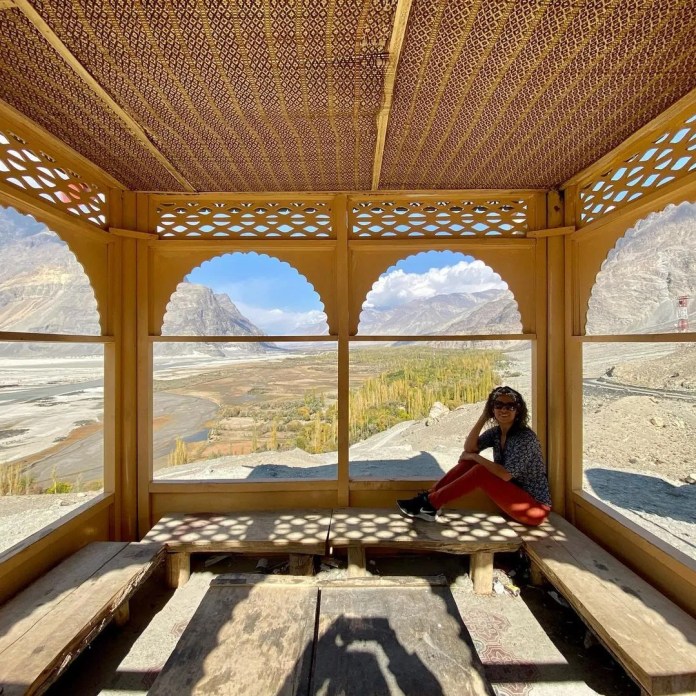
Embark on a breathtaking journey towards the enchanting valley of Shigar, starting with a picturesque bridge aptly named the Shigar Bridge, which is just a short 20-minute drive from Skardu city. Upon crossing the bridge, behold the awe-inspiring Cold Desert of Shigar, a vast expanse of arid land that captivates visitors with its rugged beauty. The road through this desert is long and smooth, offering a charming ride that makes one wish it would never end. As you navigate through the winding mountain road for about 15 minutes, you’ll arrive at the Shigar View Point, a must-visit location for tourists. The Shigar View Point is so named because it offers an unrivaled panoramic view of the Shigar Valley, providing visitors with a bird’s eye perspective of the area. So, don’t forget to include the Shigar View Point on your itinerary to make the most of your trip to this picturesque valley.

Shigar View Point, Best Places to visit at Shigar Valley.
A beautiful view of Shigar Valley from the Shigar View Point. Photo By: Danay The CubanFemaleTraveler.

2. The Blind Lake Shigar

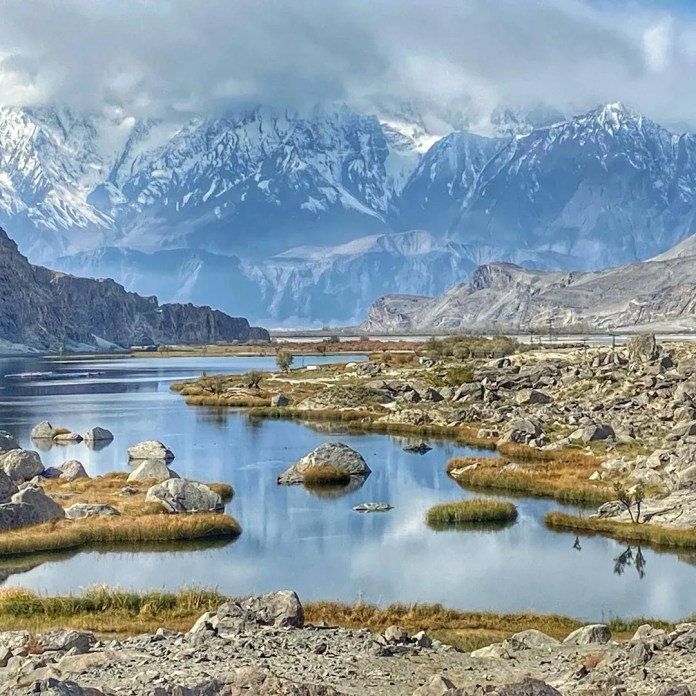
Ranked second on the list of must-visit destinations in Shigar Valley is the captivating Blind Lake, also known as Jarbazoo or Jarbachzoo. Nestled amidst the serene landscape of Shigar Valley, Blind Lake is a freshwater oasis that enchants visitors with its exotic beauty. With its crystal-clear blue waters and verdant surroundings, Blind Lake offers a stunning backdrop for photography and is a popular tourist destination. Visitors can indulge in activities like swimming and boating, making it an ideal spot for a fun-filled day out. Located just a 25-minute drive from the Shigar View Point, the lake can be found at the bank of the river, beckoning travelers to explore its mesmerizing beauty. So, add Blind Lake of Shigar to your itinerary and immerse yourself in the breathtaking natural splendor of Shigar Valley.

Read more: Blind Lake Shigar (ZjarbaTso), Everything You Need to Know.

Blind Lake Shigar, Amazing and wonderful Places to visit Shigar Valley.
A beautiful view of Blind Lake Shigar. Photo By: Danay The CubanFemaleTraveler.

3. The River of Shigar.

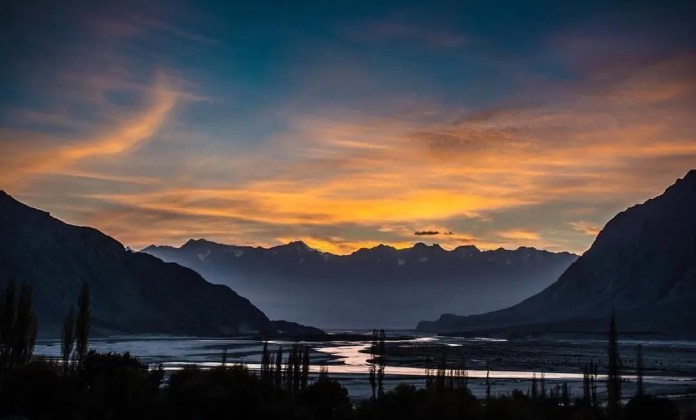
A natural wonder that cannot be missed during a trip to Shigar Valley is the meandering River of Shigar. With its shimmering turquoise-blue waters winding through the mountains and landscapes, this river adds to the charm and beauty of the region. As the water babbles and burbles over rocks, pebbles glisten in the under wash like scattered pieces of glitter. The river is the lifeblood of the mountains in Shigar Valley and represents the soul of the region. A spectacular way to experience the river’s natural beauty is to witness a stunning sunset at its banks. As the water splashes and the melodious songs of birds fill the air, the relaxing sounds of nature come together to create an unforgettable experience. Don’t miss out on this magical moment during your visit to Shigar Valley.

A beautiful sunset view of Shigar river.
A spectacular view of Shigar River captured by @emtiaazhussain

4. The Shigar Fort, The Place on Rocks.

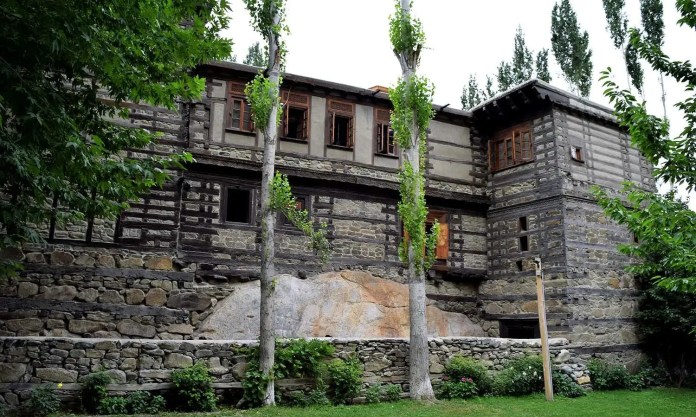
Shigar Fort, also known as Fong Khar in the local Baltic language, is a magnificent palace built on rocks. Constructed by Hassan Khan, the 20th ruler of the Amacha Dynasty, in the early 17th century, the fort is steeped in history and culture. Situated on the legendary route to the world-renowned K-2 mountain, Shigar Fort is surrounded by an oasis-like landscape irrigated by the waters from the glaciers of Baltistan. This region is one of the most stunning areas in the high Karakoram ranges, renowned for its natural beauty and cultural richness. A visit to Shigar Fort offers a glimpse into the region’s fascinating history and architecture, making it a must-visit destination for tourists. Experience the grandeur of this magnificent palace on rocks and immerse yourself in the awe-inspiring beauty of Shigar Valley.
For route and activity information read Shigar Fort, a Royal Fort Locally Known as The Palace on Rocks.

Shigar Fort Photo by Dr Omar Mukhtar Khan

5. The Ambrique Mosque Shigar.

The Khilangrong, also known as the Ambrique Mosque, is a historic mosque located in the heart of Shigar Valley. Built in the 18th century, this mosque has withstood the test of time and harsh weather conditions for over four centuries. Its two-story wooden structure, adorned with intricate woodwork, is a stunning example of traditional architecture in the region. The Ambrique Mosque offers a glimpse into the past, making it an essential visit for history enthusiasts and those interested in antique structures. To reach the mosque, head towards the Shigar Valley PSO Petrol Pump and look for a signboard indicating the direction to the mosque. A visit to the Ambrique Mosque is a must-do activity during your visit to Shigar Valley, so don’t miss out on the chance to witness its beauty and historic significance, and one of the amazing Places to visit at Shigar Valley.

Ambrique Mosque Shigar. Photo by Dr. Omar Mukhtar Khan.

6. Hashupi Bagh Shigar, The Apple Garden.

Another best place to visit at Shigar Valley is Hashupi Bagh, also known as The Apple Garden, which is a beautiful garden located in Shigar Valley. The garden is home to various fruit trees, including a vast variety of apples and cherries. As a popular tourist spot, Hashupi Bagh is an ideal location for a rest and relaxation break during your tour of the Shigar Valley. The garden is meticulously maintained with colorful flowers and lush green landscapes, making it an oasis of serenity amidst the valley’s rugged terrain. The garden is located 80 minutes away from Skardu City, and visitors often stop here to purchase fresh fruit and take a break while exploring the other scenic areas of Shigar Valley. If you’re looking for a peaceful place to relax and enjoy the natural beauty of Shigar Valley, Hashupi Bagh is a must-visit destination.

Read in detail here: Hashupi Bhagh, The Apple, and Cheery Garden in Shigar Valley.

7. Baltoro Glaciers are one of the Places to visit at Shigar Valley.

If you’re an adventure seeker and love trekking in challenging terrain, then Shigar Valley has something special for you. One of the longest glaciers in the Karakoram and Himalayan ranges, the Baltoro Glacier, is located here. However, reaching it is not for the faint-hearted, as it involves a strenuous trek through the Askoli Valley. The journey starts with a one-day journey from Skardu to Askoli Valley, followed by a five-day trek to reach Baltoro Glaciers and beyond. While the journey is not recommended for normal tourists, it offers a once-in-a-lifetime experience for those who love to take risks and push themselves to the limit. So, if you’re up for an unforgettable adventure and want to witness the natural wonders of Shigar Valley, don’t miss out on the chance to explore the breathtaking Baltoro Glacier.

Baltoro Glaciers Shigar. Photo by: Rina Saeed Khan.

8. K2 Base Camp.

This is considered one of the most incredible treks in the world, unmatched in terms of the stunning views of the nearby mountains and its close proximity to many of the world’s highest peaks. After trekking for almost seven days, visitors can reach the famous Concordia, which serves as the meeting point between Baltoro and Godwin Austin. This place also serves as the base camp for four major mountains, including Gasherbrum II (8035m), Broad Peak (8047m), and Hidden Peak or Gasherbrum I (8068m), which are all dominated by the king of the mountains, K-2 (8611m). The view of K2 on a clear day is truly mesmerizing and Concordia is undoubtedly one of the most beautiful places in the world.

Read more: Gilgit Baltistan – The Home of Five Eight-Thousanders in the World.

9. The K2 Mountain.

K2 is the second-highest peak in the world, with an elevation of 8611 meters. Locally known as “Chogori” in the Balti language, it is referred to as the king of mountains. Located in the Karakoram range on the border between Pakistan and China, K2 is a rocky mountain uphill for the first 6000 meters, but then the track transforms into a mountain of snow as you progress. In 1887, the British surveyor Goodwin Austin discovered K2 and various glaciers in the area. K2 gained international attention when a number of expeditions failed due to harsh weather conditions and strenuous track. Finally, Lino Lacedelli and Achilles Compagni climbed K2 and paved the way for others to follow.

K2 Chogo Ri. Photo by Daniel Born on Unsplash

10. Hisper, Snow Lake, Hoo Valley.

Snow Lake, also known as Lukpe Lawo, is a glacial basin located in the Karakoram mountain range in Gilgit-Baltistan. This high-altitude basin is situated at an elevation of 16,000 feet (4,877 m) and is about 10 miles (16 km) wide. The Biafo and Hispar glaciers originate from the Snow Lake basin and run in opposite directions, covering a distance of 61 miles (100 km) to form one of the world’s longest continuous glacier systems outside of the polar regions. The basin was named by Martin Conway, the first foreign visitor, in 1892, who described it as one of the most magnificent views of mountains he had ever seen. However, Snow Lake is very difficult to reach, and only around 200 people manage to visit it each year. This particular tourist destination is one of the best places to visit at Shigar Valley.

The Jamal Pass trek starts in the lush and picturesque Hoh valley, and crosses the 5300-meter-high Jamal Pass, descending towards the enormous Biafo glacier. From the Biafo glacier, trekkers can continue on the Biafo-Hispar Snow Lake Trek, which leads to Hunza. This new route offers a direct connection between Hunza and the Shigar Valley.

Snow Lake (Lukpe Lawo)… Looking back down from the Hispar Pass towards the east. Photo by: Amdj1

FAQs.

What is Shigar Valley known for?

Shigar Valley is known for its natural beauty and cultural richness. It is located on the legendary route to K-2, the second-highest mountain in the world. The valley is home to various historical and cultural landmarks such as the Shigar Fort, Ambrique Mosque, and Hashupi Bagh.

What is the Shigar Fort?

The Shigar Fort, locally known as Fong Khar, is a palace on rocks. It was built by Hassan Khan, the 20th ruler of the Amacha Dynasty, in the early 17th century. The fort is located in oasis-like surroundings, irrigated by the waters from the glaciers of Baltistan. It is one of the most impressive regions in the high Karakoram ranges.

What is the Ambrique Mosque?

The Ambrique Mosque, also known as Khilangrong, is located in the heart of Shigar Valley. It is believed to have sustained rough times and weather for more than four centuries, as it was built in the 18th century. The mosque has a wooden structure with beautiful woodwork on it and is a popular tourist attraction for those interested in antique and historical landmarks.

What is Hashupi Bagh?

Hashupi Bagh, also known as The Apple Garden, is a garden of different fruits, dominantly a large variety of apples. It is a popular tourist spot and rest area in Shigar Valley. The garden is beautifully maintained with colorful flowers and lush green landscapes.

What is the Baltoro Glacier?

The Baltoro Glacier is one of the longest glaciers located in the Karakoram and Himalayan ranges. It is a popular trekking destination for those interested in close-up mountain views and proximity to many of the world’s highest peaks, including Gasherbrum II, Broad Peak, Hidden Peak, and K-2.

What is Snow Lake?

Snow Lake one of the mesmerizing places to visit at Shigar Valley, also known as Lukpe Lawo, is a high-altitude glacial basin in the Karakoram mountain range in Gilgit-Baltistan. It is located 16,000 feet above sea level and is approximately 10 miles wide. Snow Lake is very difficult to reach, however, and only about 200 people manage to reach it per year.

What is the Jamal Pass trek?

The Jamal Pass trek begins in the green and beautiful Hoh valley and crosses the 5300 meters high Jamal Pass down to the massive Biafo glacier. From the Biafo glacier, it is possible to continue on the Biafo-Hispar Snow Lake Trek to Hunza. This new route directly connects Hunza to Shigar Valley.

Top Traditional Foods of Hunza Gilgit Baltistan

2

If you have good control on your appetite you can try these delicious traditional foods of Hunza valley Gilgit Baltistan. Hunza will serve you a variety of traditional foods on different occasions. These foods are very rich in taste. You will find the true taste of nature and purity in these foods. Wandering in Hunza valley during these special occasions is exciting but the only problem is your mouth full of water due to the appetizing odor of specially cooked food will disturb you most. If you ever tasted any of these foods perhaps you are one of the few luckiest people in the world.

Hunza valley is well known all over the world for the longevity of the people belonging from Hunza Valley. Many researchers have conducted various research to find the secret behind the long lives of Hunza People. Most of the researchers believe that it is the pure and healthy diet in Hunza Valley which lets the people enjoy.

Go-lee/ Giyaling

Giyaling served with Almond oil. Yummy ♡

A post shared by GBiT (@gbit.pk) on


Go-Lee is to make your breakfast savory. It is usually served on breakfast on usual occasions but also cooked on special occasions as well. Normally it is best with a Namkeen Chai, but you can eat it with simple chai if you feel uncomfortable with the namkeen thing. Giyaling is a local occasional dish of a Hunza valley. It is specially made on the occasion of Gianni, and Ginani is an event which is performed after the cultivation of a crop especially the wheat. In the month of May and June when wheat began to prepare, all the owners of a land go to their fields to enjoy the Ginani event with Giyaling. Recipe of Giyaling. Flat bread, made with whole grain flours, rich in vitamin B-17. it is served by spreading butter on bread, on extraordinary events.

Read more: Recipe for Golee or Giyaling, Preparation of a traditional Hunzai breakfast.

Go-lee or Giyaling. A traditional breakfast at Hunza.

A post shared by GBiT (@gbit.pk) on

Harissa.

Harisaaaa is one of the acclaimed dishes of Hunza. The dish is prepared by wheat, boiled meat, and nearby oil, sometimes they use butter as an oil and sometimes they use dry apricot seeds as an oil with Harissa. The dish is exceptional regarding taste, simple to process and solid in the handling of proteins. this dish is served on the extraordinary event including wedding functions.

Harissa. A Traditional Food in Hunza. ♡

A post shared by GBiT (@gbit.pk) on

Berckuzh/Chap-churro

Chapshuro is one of the most delicious dishes of Gilgit Baltistan. It is the Gilgit Baltistan version of pizza. Chap Shuroo is a bread filled with a mixture of chopped Beef/Yalk meat,
onion, and other spices. Chapshoro is filled with chopped meat (lamb, beef), onions, chile peppers, tomato and fresh coriander leaves. They are baked on medium heat on for 15 minutes, until golden brown. Jugloot Gouro is the famous place for most delicious Chapchurro in Gilgit Baltistan.

Read more: The preparation of Chapshuro, Recipe for Gilgit Baltistan version of Pizza.

Berckuzh or Chapchurro. The Gilgit Baltistan version of Pizza

A post shared by GBiT (@gbit.pk) on

Shopan / Joqes.

Shopan/joqeṣ̌ is a traditional dish from Gilgit-Baltistan particularly prepared on the occasion of Nasalo/Nos (Death celebration of cannibal king, Shari Badat). In Scotland, they call it Haggis and is their national dish.

Read: How to prepare Shopan/Joqes? Recipe and Ingrideaints.

Shopan or Joqes. A traditional dish prepared on the occasion of Nasalo/Nos in Hunza.

A post shared by GBiT (@gbit.pk) on

Diram Fitti.

Diram Fitti is a local and traditional food in Hunza, it is an energetic food to the people. Diram Fiti bread made from sprouted wheat flour which gives natural sweetness. It is served by mixing butter, almond or apricot oil. The most of Hunza people agriculturist. They work hard in their fields. So for work they have to consume more energetic foods. Diram Fitti is one of the best diets for hard working people in Hunza.

Diram Fitti. ♡ Energetic Hunza Food.

A post shared by GBiT (@gbit.pk) on

Mamtu.

Mamtu is delicious cubes meal flour centrally filled with mutton/Beef and spicy ingredients. Life is so endlessly delicious. Plan a tour to Gilgit Baltistan. Take a taste of Mamtu and seize the moment for your life. There is no love sincerer than the love of food. Made your love for Mamtu lifetime. Mamtu, the dumplings of North, is a unique and very tasty dish in Gilgit Baltistan. Mamtu is very delicious fast food originally came from China. In Pakistan, you can only find Mamtu in Gilgit Baltistan. Some may consider it a traditional food of Gilgit Baltistan. It cooking process is special as its taste. It is not cooked by any direct means. It is cooked in a flow of steam.

Read more: Mamtu, a unique cuisine of Gilgit Baltistan, The dumplings of North.

Mamtu. A unique and very tasty dish in Gilgit Baltistan.

A post shared by GBiT (@gbit.pk) on

Gittey

A special dish made during Nasalo (A traditional celebration) and preserved it to consume on chilly days of winter specially Baw-no. Gittey( Git:), singular), more or less looks and taste like sausages, made with intestines of the sacrificed animal on the occasion of Nasalo/Nos.

Amazing aerial Drone Camera Videos of Gilgit Baltistan.

0

Enjoy these stunning drone camera videos of Gilgit Baltistan during the beautiful autumn season. Have a visual tour of the most beautiful and famous touristic spots, travel destinations in Gilgit Baltistan Northen areas of Pakistan. Below are some amazing videos listed so that you can better plan your trip to Gilgit Baltistan this summer.

You might also like: Beautiful freshwater lakes to visit at Skardu Baltistan.

1. Watch the fantastic view of Nanga Parbat “The Killer Mountain” and fairy meadows Hunza Valley Gilgit Baltistan Pakistan.

2. Watch amazing Ariel video of Ataabad Lake, the Tranquil freshwater lake in Gilgit Baltistan Pakistan. Read more about Ataabad Lake Here:

3. Enjoy this wonderful video made by drone in Gilgit City and surroundings, which include the magnificent view of Gilgit river

4. Watch breathtaking ariel video of Hunza valley in the autumn season. Enjoy the autumn beauty of Hunza valley. Watch the Baltit fort as it guards the Hunza valley. Read more about Baltit Fort Here:

5. Watch amazing drone video of Nalter ski resort, Famous for ski Games and competitions worldwide.

This is a playlist of all the drone videos made in Gilgit Baltistan on Youtube. Play in HD for Better Results.

Gilgit Baltistan – The Home of Five Eight-Thousanders in the World.

1

Gilgit Baltistan, the land of mountains, is known for its stunning mountain ranges, including the Karakoram, Himalayas, Hindu Kush, and Pamir ranges. This region is home to an impressive five of the fourteen Eight-Thousanders in the world, which are mountains with a total height greater than 8,000 meters.

Gilgit Baltistan – The Home of Five Eight-Thousanders in the World.

K2, also known as Mount Godwin-Austen and Chhogori, is one of the five eight-thousanders in Gilgit Baltistan. It is the second-highest mountain in the world, with an elevation of 8,611 meters above sea level. Nanga Parbat, known as the “Killer Mountain,” is the ninth-highest mountain in the world and another eight-thousander in Gilgit Baltistan, with an elevation of 8,126 meters above sea level.

Gasherbrum I, also known as Hidden Peak or K5, is the 11th-highest mountain in the world, with an elevation of 8,080 meters above sea level. Broad Peak is the 12th highest mountain in the world, with an average height of 8,051 meters above sea level, and is located on the Pak-China border in the Karakoram mountain ranges. Lastly, Gasherbrum II, also known as K4, is the 13th-highest mountain in the world and the fifth eight-thousander in Gilgit Baltistan, with an elevation of 8,035 meters above sea level.

Read also: 20 Beautiful Touristic Destinations and Attractions you must Visit in Skardu Baltistan.

In addition to these five eight-thousanders, Gilgit-Baltistan is home to 18 of the world’s 50 highest peaks, and three of the seven longest glaciers outside the polar regions. With hundreds of its mountains yet to be climbed, this region is a mountaineer’s paradise.

Visitors come from all over the world to admire the stunning views of the milky white peaks turning golden at sunrise and sunset. Gilgit Baltistan truly is a place where one can savor the beauty of nature in its purest form.

Gilgit Baltistan the land of Mountains is home to five eight-thousanders out of fourteen in the world. “Eight-Thousanders” is a fancy word that means the mountains have a total height greater than eight thousand meters. There is a total of fourteen mountains in the world that make it to that height, and fortunately, five of which are situated in Gilgit Baltistan Northern areas of Pakistan.
Gilgit Baltistan is surrounded by the great mountain ranges of Karakoram, Himalayas, Hindu kush, and Pamir ranges. The former three mountain ranges meet at a point in Gilgit Baltistan. The milky cape-high mountains transforming into gold in the morning and evening before the sunshine and after sunset is a fantastic view one could have savored in life.
The five Eight-Thousanders which are in Gilgit Baltistan are as follows:

K2 The1st Eight-Thousanders

Photo by Daniel Born on Unsplash

Everyone is familiar with this mountain the second-highest mountain in the world. But to make sure you should not forget the figures I am detailing some facts about K2. K2 has an average height of 8,611 meters above sea level. It is also known as Mount Godwin-Austen. The local people call it “Chhogori”. “Chhogori” is a Balti word that means great or huge mountain. There is also a rumor that actually K2 is the highest mountain in the world but let’s keep it simple as always to be the second highest.

Nanga Parbat The 2nd

Photo by Muhammad Affan on Unsplash

Nang Parbat is also known as The killer Mountain. It is the ninth-highest mountain in the world with an average elevation of 8,126 meters above sea level. It is the second Eight-Thousanders in Gilgit Baltistan.

Gasherbrum I The 3rd

Photo by Daniel Born on Unsplash

Gasherbrum is a Baltic word. It is also known as Hidden Peak or K5, it is the 11th-highest mountain in the world at an elevation of 8,080 meters above sea level. It is the third Eight-Thousanders in Gilgit Baltistan.

Broad Peak The 4th

Photo by Daniel Born on Unsplash

Broad Peak is the 12th highest mountain in the world with an average height of 8,051 meters above sea level. It is located in the Karakorum mountain ranges on the Pak-China border. It is the fourth Eight-Thousanders in Gilgit Baltistan.

Gasherbrum II The 5th Eight-Thousanders

Photo by Daniel Born on Unsplash

It is the 13th-highest mountain in the world. It is also known as K4, at a height of 8,035 meters above sea level. It is the last and fifth Eight-Thousanders in Gilgit Baltistan.
Nestled between the western end of the Himalayas, the Hindu Kush mountains, and the Karakoram range, Gilgit-Baltistan houses 18 of the world’s 50 highest peaks.
It is also home to three of the world’s seven longest glaciers outside the polar regions. Hundreds of its mountains have never been climbed.

Baltit Fort in Karimabad, Hunza, Gilgit-Baltistan: A Complete Guide.

Introduction.

Baltit Fort is an ancient fort located in the scenic Karimabad village of Hunza, Gilgit-Baltistan, Pakistan. This magnificent piece of architecture is not just a fort, but a symbol of the rich culture and history of the region. In this guide, we’ll explore the history, architecture, and tourism potential of Baltit Fort.

History of Baltit Fort Hunza.

Baltit Fort Karimabad Hunza East Elevation.

Baltit Fort or Balti Fort is an ancient fort in the Hunza Valley in Gilgit-Baltistan, Pakistan. Founded in the 1st CE, it has been on the UNESCO World Heritage Tentative list since 2004.

In the past, the survival of the feudal regime of Hunza was ensured by the impressive fort, which overlooks Karimabad. The foundations of the fort date back 700 years ago, with rebuilds and alterations over the centuries. In the 16th century, the local prince married a princess from Baltistan who brought master Balti craftsmen to renovate the building as part of her dowry.

The Mirs of Hunza abandoned the fort in 1945 and moved to a new palace down the hill. The fort started to decay which caused concern that it might possibly fall into ruin. Following a survey by the Royal Geographical Society of London, a restoration program was initiated and supported by the Aga Khan Trust for Culture Historic Cities Support Programme. The program was completed in 1996 and the fort is now a museum run by the Baltit Heritage Trust.

Read Also: Shigar Fort, a Royal Fort Locally Known as The Palace on Rocks.

View of Hunza from the royal window of Baltit Fort Karimabad.
Shahbazaslam1, CC BY-SA 4.0 , via Wikimedia Commons

In the past several small independent states formed part of the history of the Northern Areas of Pakistan. Among them, Hunza and Nager were traditional rival states, situated on opposite sides of the Hunza (Kanjut) river. The rulers of these two states, Mirs known as Thum (also Tham, Thom, or Thámo), built various strongholds to consolidate their power. According to historical sources, the Hunza rulers initially resided in nearby Altit Fort, but after a conflict between the two sons of the ruler Sultan, Shah Abbas (Shάboos) and Ali Khan (Aliqhάn), Shaboos moved to Baltit Fort, making it the capital seat of Hunza. The power struggle between the two brothers eventually resulted in the death of the younger one, and so Baltit Fort became the prime seat of power in the Hunza state.

Ayasho II, Thum/Mir of Hunza in the early 15th fifteenth century married Princess Shah Khatoon (Sha Qhatun) from Baltistan (in Moghul history Baltistan is called Tibet Khurd, which means Little Tibet), and was the first to modify the face of Altit and, subsequently Baltit Fort. Baltistan had a very strong cultural and ethical relationship with the Ladakh territory to the east. Not surprisingly, the structure of Baltit Fort was influenced by Ladakhi/Tibetan architecture, with some resemblance to the Potala Palace in Lhasa. The additions, renovations, and changes to the building were made through the centuries by a long line of following rulers of Hunza.

Home of many ancient forts, the Northern Areas of Pakistan lost some of its heritage around the 19th century as a result of attacks by the Maharaja of Kashmir. However, one of the biggest changes in the structure of the Baltit Fort came with the invasion of the British in December 1891. Safdar Ali Khan, ruler of Hunza, and his wazir Dadu (Thara Baig III) fled to befriend Kashgar (China) to seek ‘political asylum’ with their fellows and families. With the conquest of Hunza and Nager states the fortified wall and watchtowers of the old Baltit village and watchtowers of Baltit Fort on its north-western end were demolished as required by the British. They installed his younger brother, Sir Muhammad Nazim Khan K.C.I.E, as the ruler of Hunza state in September 1892. During his reign, Nazeem Khan made several major alterations to the Baltit Fort. He demolished a number of rooms on the third floor and added a few rooms in the British colonial style on the front elevation, using the lime wash and colored glass panel windows. Baltit Fort remained officially inhabited until 1945, when the last ruler of Hunza, Mir Muhammad Jamal Khan, moved to a new palatial house further down the hill, where the present Mir of Hunza, Mir Ghazanfar Ali Khan, and his family are still residing.

Architectural Features of Baltit Fort Hunza:

Baltit Fort Hunza is a stunning example of traditional Hunza architecture. The fort is made of stone and wood and features intricate carvings, intricate woodwork, and decorative motifs. The fort is a perfect blend of traditional and modern architecture, with its ancient features complemented by modern amenities.

The fort has several levels, with each level housing a different part of the palace. The top level houses the royal apartments, while the lower levels house the stables, storehouses, and servant quarters. The fort also has a magnificent balcony that provides stunning views of the surrounding valleys and mountains.

Cultural Significance of Baltit Fort Hunza:

Baltit Fort Hunza holds great cultural significance for the people of the region. The fort is a symbol of the rich cultural heritage of the Hunza people and their history. The fort has played an essential role in the social, political, and economic life of the region for centuries.

The fort is also home to several artifacts and treasures that provide insight into the history and culture of the region. These artifacts include traditional costumes, jewelry, weapons, and household items.

Restoration and Preservation of the Baltit Fort:

With no proper authority entrusted the Fort was exposed to the ravages of time and over the years its structure weakened and began to deteriorate. His Highness Aga Khan IV initiated the restoration efforts for Baltit Fort in 1990 when Mir Ghazanfar Ali Khan and his family generously transferred the Fort to the Baltit Heritage Trust, a public charity formed for the explicit purpose of owning and maintaining the Fort. The restoration undertaken by the Aga Khan Trust for Culture in Geneva in association with the Aga Khan Cultural Service Pakistan (Pakistan), took six years to complete. The project was supported by the Aga Khan Trust for Culture as the main donor through its Historic Cities Support Programme, as well as by the Getty Grant Program (USA), the Norwegian Agency for Development Cooperation, and the French Government.

The restored Fort, resplendent in its formal regal glory, was inaugurated on September 29, 1996, in the presence of His Highness the Aga Khan IV and the president of Pakistan Farooq Ahmad Khan Laghari. It is now operated and maintained by the Baltit Heritage Trust and is open to visitors. The Baltit Fort serves as a good example of culture restored and preserved for future generations.

Front View of Baltit Fort, Karimabad. Hunza. Vasiq Eqbal, CC BY-SA 4.0, via Wikimedia Commons

Things to do at Baltit Fort Hunza.

A Timeless Journey through the Royal Seat of Hunza.

Discover the wonders of the Tibetan-influenced Baltit Fort, a UNESCO award-winning heritage site, and travel back 700 years to the realm of Hunza’s rulers. Immerse yourself in the rich history and culture of this stunning landmark, and explore the magnificent architecture that stands as a testament to the region’s past.

Indulge in the Ultimate Dining Experience with a View.

Relax and unwind at the Baltit Fort Café while taking in the breathtaking scenery of Karimabad. Savor a delectable lunch or sip on freshly brewed coffee while admiring the panoramic views that surround you. Experience the best of both worlds, as you indulge in sumptuous cuisine and awe-inspiring vistas.

Tourism Potential:

Baltit Fort is a popular tourist destination in Pakistan, attracting thousands of visitors every year. The fort’s unique architecture, rich history, and stunning views of the surrounding mountains make it a must-visit destination for anyone visiting the region.

Read also: 10 Most Beautiful Places to Visit Hunza Valley, Gilgit Baltistan.

Tourists can explore the fort’s different rooms, learn about the history and culture of the region, and enjoy the stunning views of the Hunza valley from the fort’s rooftop. The fort also hosts cultural events, including festivals and music concerts, which add to its tourism potential.

Exploring the Fort: Practical Tips:

If you’re planning to visit Baltit Fort Hunza, here are some practical tips to help you make the most of your trip:

  • Wear comfortable shoes and clothing as the fort has several levels and stairs to climb.
  • The fort is open from 9 am to 5 pm, and the last entry is at 4:30 pm.
  • A guided tour of the fort is highly recommended as it will provide you with valuable insights into the history and culture of the region.
  • The fort has a small museum that showcases the region’s history and culture through various artifacts and exhibits. Don’t forget to check it out during your visit.
  • The fort can get crowded during peak tourist season, so it’s best to visit early in the morning or later in the afternoon.
  • Photography is allowed inside the fort, but you’ll need to purchase a separate photography pass.
  • The fort is located in the town of Karimabad in Hunza, and there are several accommodation options available in the town. It’s best to book your stay in advance, especially during peak tourist season.
  • Finally, make sure to take some time to explore the town of Karimabad itself. It’s a charming and picturesque town with plenty of local markets, shops, and restaurants to explore.

Frequently Asked Questions about Baltit Fort Hunza:

What is the best time to visit Baltit Fort Hunza?

The best time to visit Baltit Fort Hunza is from April to October when the weather is mild and pleasant.

How long does it take to explore the fort?

It takes around 2-3 hours to explore the fort thoroughly, including a guided tour and a visit to the museum.

Is photography allowed inside the fort?

Yes, photography is allowed inside the fort, but you’ll need to purchase a separate photography pass.

Is there an entry fee to visit the fort?

Yes, there is an entry fee to visit the fort, which is around 500 PKR per person.

Are there any accommodation options near the fort?

Yes, there are several accommodation options available in the town of Karimabad, where the fort is located.

Conclusion:

Baltit Fort is a significant landmark in the Northern Areas of Pakistan, showcasing the region’s rich cultural and historical heritage. Visitors can explore the fort and appreciate the architectural design influenced by Ladakhi/Tibetan architecture, with some resemblance to the Potala Palace in Lhasa. The fort is open to visitors and managed by the Baltit Heritage Trust, providing a glimpse into the history and cultural significance of the Hunza Valley in Gilgit-Baltistan, Pakistan.

Laila Peak Gilgit-Baltistan.

Introduction to Laila Peak Gilgit Baltistan.

Laila Peak is a unique and stunning mountain located in the heart of the Karakoram range in Gilgit-Baltistan, Pakistan. With its striking shape and challenging elevation, it attracts adventure-seekers and mountain climbers from all over the world. The peak is known for its challenging slopes and steep climbing routes, making it a prime destination for experienced climbers.

    One of the main draws of Laila Peak is its remote location. Situated in the Hushe Valley, it is surrounded by breathtaking mountain scenery and is accessible only through a challenging trek through the Gondogoro Glacier. This remote location also means that the area is relatively untouched by human development, providing a true wilderness experience for those who visit.

    History of Laila Peak

      Laila Peak is a mountain in Hushe Valley near Gondogoro Glacier in the Karakoram range. It is located in Gilgit-Baltistan, Pakistan. It has an elevation of 6,096 meters (20,000 ft). It has a distinctive spear-like shape and its northwest face has a slope of 45 degrees in more than 1500 vertical meters. The height of the Laila peak in Hushe Valley is controversial. Some belief it to be 6200 meters whereas some mention it as 6614 meters. In a Japanese mountaineering map by Tsuneo Miyamori (published in 2003), the height of Laila Peak is mentioned as 6096 meters.

      Read Also: Story of my Paragliding Crash In Pakistan.

      Climbing and Trekking Laila Peak

      • Difficulty and Preparation
      • Routing and Accessibility
      • Best Time for Climbing and Trekking

      In terms of climbing conditions, Laila Peak presents a significant challenge to even the most experienced mountaineers. The slope of its northwest face is incredibly steep, with a gradient of 45 degrees over 1500 vertical meters. This makes it a technically demanding climb that requires strong technical skills, as well as physical fitness and endurance.

      Surroundings of Laila Peak

      • Hushe Valley and its Scenery
      • Gondogoro Glacier and its Beauty
      • Other Attractions in Gilgit-Baltistan

      Laila Peak is also famous for its stunning views. From the summit, climbers are treated to panoramic vistas of the surrounding mountain range, including the world-renowned K2. It is a true feast for the eyes and is a testament to the beauty of the region.

      Challenges and Safety Measures for Climbing Laila Peak

      • Altitude Sickness and Precautions
      • Technical Climbing Skills and Equipment
      • Environmental Concerns and Respect for Nature

      Despite the challenges, Laila Peak is a highly sought-after destination for climbers, who are drawn to its remote location, stunning views, and the thrill of tackling such a challenging peak. Whether you are an experienced climber or simply looking for a breathtaking mountain experience, Laila Peak is a must-visit destination in Gilgit-Baltistan.

      Conclusion

      • The Beauty and Adventure of Laila Peak
      • Encouragement for Mountaineers and Trekkers
      • The Importance of Respectful and Sustainable Climbing.

      In conclusion, Laila Peak is a mountain of many contradictions. It is remote, yet easily accessible; challenging, yet stunningly beautiful. With its combination of technical climbing, remote wilderness, and breathtaking views, Laila Peak is a truly unique destination that should be on every adventurer’s bucket list. Whether you are looking for a challenge or simply want to bask in the beauty of the mountains, Laila Peak is sure to provide a truly unforgettable experience.