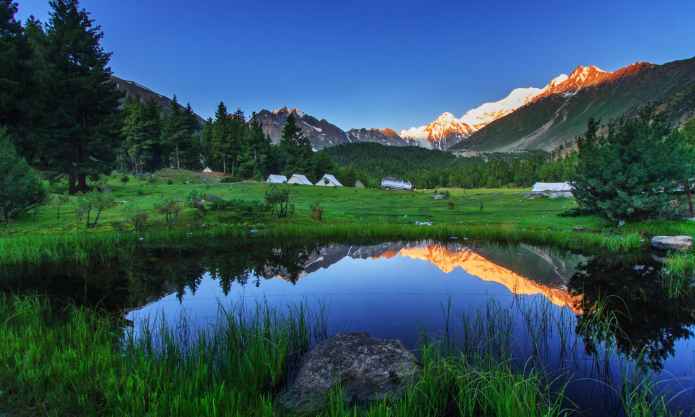
After CNN & FT, the BBC Enlists Gilgit-Baltistan Among Top Places to Visit in 2025.

Gilgit-Baltistan (GB), a stunning region in the northernmost part of Pakistan, has earned another feather in its cap. “Gilgit Baltistan among top places to visit in 2025” Following recognition from CNN and the Financial Times, the BBC has now included Gilgit-Baltistan in its list of top 25 destinations to visit in 2025. This announcement has once again highlighted the global allure of this breathtaking region, renowned for its majestic mountains, serene landscapes, and unique cultural heritage.

A Rising Star in Global Tourism.

The BBC’s acknowledgment of Gilgit-Baltistan reaffirms its status as one of the world’s most spectacular travel destinations. Known for its pristine beauty and unspoiled environment, the region offers an unforgettable experience for adventurers, nature lovers, and cultural explorers alike. It is home to some of the planet’s most towering peaks, including K2—the world’s second-highest mountain—and four others that rise above 8,000 meters. The rugged Karakoram Mountain range, lush valleys, and sparkling rivers make GB a paradise for trekkers and mountaineers.

More Than Just Mountains.

While Gilgit-Baltistan is globally famous for its challenging climbing routes and breathtaking mountain scenery, it offers much more than that. Visitors can immerse themselves in the region’s rich cultural heritage, shaped by centuries of history and diverse influences. Local festivals, traditional music, and handicrafts provide a glimpse into the vibrant lives of its warm and welcoming people. Furthermore, the region’s serene environment, free from the noise and chaos of urban life, makes it an ideal destination for those seeking tranquility and a connection with nature.

Sustainable Tourism in Focus.

One of the key reasons for BBC’s recognition is Gilgit-Baltistan’s growing emphasis on sustainable tourism. The region is actively working to promote responsible travel that benefits local communities while preserving its natural beauty and cultural heritage. By investing in eco-friendly infrastructure and empowering local artisans and guides, GB is ensuring that tourism supports its economy without causing harm to its environment.

A Global Spotlight on Pakistan, Gilgit Baltistan among top places to visit.

Gilgit-Baltistan’s inclusion in the BBC’s list comes at a time when Pakistan is gaining recognition as an emerging travel destination. Despite being one of the most populous nations in the world, Pakistan remains a hidden gem for international travelers. Its diverse landscapes, ranging from the towering peaks of the north to the deserts of the south, offer something for everyone.

In recent years, global media outlets have repeatedly highlighted Pakistan’s tourism potential. CNN and the Financial Times have previously included Gilgit-Baltistan in their recommendations for travelers, praising its unmatched natural beauty and adventurous opportunities. The BBC’s recognition further solidifies the region’s position as a must-visit destination in 2025.

Plan Your Trip to Gilgit-Baltistan.

If you’re planning your travels for 2025, Gilgit-Baltistan should be at the top of your list. Here are some key attractions and activities to consider:

  • Trekking and Mountaineering: Embark on thrilling expeditions to K2 Base Camp, Concordia, or Rakaposhi.
  • Explore Serene Valleys: Visit the Hunza, Skardu, and Ghizer valleys, known for their lush greenery and breathtaking views.
  • Cultural Experiences: Immerse yourself in local traditions by attending festivals like the Shandur Polo Festival or visiting historical forts such as Baltit and Altit.
  • Adventure Sports: Try paragliding, rock climbing, and jeep safaris to explore the region’s rugged terrain.
  • Wildlife Spotting: Discover rare species like the snow leopard and markhor in their natural habitats.

Gilgit Baltistan is among the top places to visit.

Gilgit-Baltistan’s inclusion in the BBC’s top destinations for 2025 is a testament to its unmatched beauty, cultural richness, and growing potential as a hub for sustainable tourism. As more global platforms shine a spotlight on this gem in northern Pakistan, it’s clear that Gilgit-Baltistan is not just a destination—it’s an experience of a lifetime. So, pack your bags and get ready to explore one of the world’s most mesmerizing regions in 2025!

Blind Lake Shigar (ZjarbaTso), Everything You Need to Know.

A water boat parked near the shore of Blind lake Shigar.

Are you searching for an off-the-beaten-path travel destination? Look no further than Blind Lake Shigar, a hidden gem tucked away in the mountains of Pakistan. This stunning lake offers a tranquil escape from the hustle and bustle of daily life, surrounded by awe-inspiring natural beauty. In this article, we’ll cover everything you need to know about Blind Lake Shigar, from its history to its natural wonders. This article will guide you through everything you need to know to make the most of your trip to Blind Lake Shigar.

Read more: 4 Most Beautiful Fresh Water Lakes in The Vicinity of Skardu City.

History of Blind Lake Shigar.

Zjarba Tso Lake Shigar has a fascinating history dating back to the 16th century. It was originally discovered by a local herder who was searching for a lost goat. Over time, the lake became an important stop on the ancient Silk Road trade route, with traders stopping to rest and resupply. Today, it remains a vital source of water for the surrounding villages and a popular spot for tourists.

What is Blind Lake Shigar?

Blind Lake Shigar is a high-altitude lake located in the Skardu District of Gilgit-Baltistan, Pakistan. The lake is situated at an elevation of 13,450 feet above sea level and is surrounded by majestic peaks and breathtaking scenery. The lake is named “Zjarba tso” in Balti Language which means “Blind” because it is hidden from view until you reach the top of the mountain ridge that surrounds it.

Personally, I think we did not get enough time to properly admire this scenery from the Blind Lake in District Shigar since we had another destination to reach. It also somehow felt a little different from the other landscapes that we saw around Gilgit-Baltistan, although each of them was beautiful in its own way. Photo by Neha Khatri

Geography & Location of the lake.

Located in the heart of the Karakoram mountain range, Blind Lake Shigar is situated at an altitude of 4,100 meters (13,450 feet) above sea level. The lake is approximately 2.5 kilometers (1.6 miles) long and 1 kilometer (0.6 miles) wide, with an average depth of 15 meters (50 feet). The surrounding landscape is rugged and rocky, with towering peaks and glaciers visible from the lake’s shores.

Read More: 20 Beautiful Touristic Destinations and Attractions you must Visit in Skardu Baltistan.

How to get there?

To reach Blind Lake Shigar, you will need to travel to Skardu, the main city in the region. Skardu is accessible by air and road, and there are daily flights from Islamabad. Once you reach Skardu, you can hire a jeep or a car to drive to Blind Lake Shigar. The drive will take approximately three hours and will take you through some of the most scenic parts of the Karakoram Range.

When to visit?

The best time to visit Blind Lake Shigar is from June to September when the weather is pleasant, and the lake is accessible. The rest of the year, the lake is frozen, and the region is covered in snow, making it very hard to visit.

Read more: Best Time to Visit Gilgit Baltistan, It Really Depends on Your Taste.

A view of crystal clear blue water at Blind lake Shigar.

Things to Do at Blind Lake Shigar.

There are plenty of things to do at Blind Lake Shigar, regardless of whether you are an adventure seeker or someone who prefers a more relaxed vacation.

Trekking.

Trekking is the most popular activity at Lake. The trek to the lake is a moderate to difficult trek that takes approximately four to five hours to complete. The trek will take you through lush green meadows, rocky terrain, and steep mountain slopes. The views along the way are breathtaking, and you will pass by several small villages where you can stop and interact with the locals.

Fishing at Blind Lake Shigar.

This Lake at Shigar is home to several species of fish, including the Himalayan trout. Fishing is a popular activity at the lake, and you can rent fishing gear from local guides.

Photography.

The natural beauty of Blind Lake Shigar is perfect for photography enthusiasts. The lake is surrounded by snow-capped peaks, and the scenery changes with the light, making it a perfect location for landscape photography.

Local Culture.

Local Culture
The people of the Skardu District are warm and hospitable, and visiting Blind Lake Shigar is an excellent opportunity to experience their culture and way of life. You can visit local homes, taste traditional food, and attend cultural events.

The wonderful Track at Zjarba Tso Shigar.

Natural Wonders:

Blind Lake Shigar is renowned for its stunning natural beauty. Here are some of the top attractions you won’t want to miss:

  1. Clear Blue Waters: The lake’s crystal-clear waters are a sight to behold, reflecting the surrounding mountains and sky. Take a dip in the cool, refreshing water, or enjoy a leisurely boat ride.
  2. Majestic Mountains: The lake is surrounded by towering mountains, including the famous peaks, which are visible on clear days. Take a hike or trek to explore the surrounding peaks and valleys.
  3. Glaciers: The Shigar valley is home to several glaciers, including the Baltoro Glacier, one of the longest and most impressive in the world. Take a guided tour to experience the awe-inspiring beauty of these natural wonders.
Beautiful surrounding View Blind Lake Shigar
Blind Lake Shigar, locally known as Zjarbatso.

Activities:

There are plenty of activities to enjoy at Lake, from hiking and trekking to fishing and boating. Here are some of the top things to do:

  1. Hiking: Take a hike through the rugged terrain surrounding the lake, exploring the nearby peaks and valleys. Be sure to bring sturdy shoes and plenty of water.
  2. Trekking: For the more adventurous, there are several trekking routes in the area, including the famous K2 base camp trek. These multi-day treks offer a chance to experience the stunning beauty of the Karakoram range up close.
  3. Fishing: The lake is home to several species of fish, including brown trout and snow trout. Bring your fishing gear and try your luck at catching your dinner.

FAQs.

How do I get to Blind Lake Shigar?

The lake is accessible by road from Skardu, a nearby town. You can hire a taxi or take a public bus to reach the lake.

Is it safe to visit Zjarba Tso Lake Shigar?

Yes, the area is generally considered safe for tourists. However, it’s always a good idea to check travel advisories before planning your trip.

What’s the best time to visit this beautiful Lake at Shigar?

The best time to visit is during the summer months (June-August), when the weather is milder and the lake is free from ice. However, if you’re looking for a winter wonderland experience, visit between December and February when the lake freezes over and the surrounding mountains are covered in snow.

Are there any accommodations near this Lake at Shigar?

Yes, there are several guesthouses and hotels in the nearby town of Shigar. Some of the accommodations offer stunning views of the lake and mountains.

Gilgit Baltistan Spring Blossoms: A Breathtaking Natural Wonder.

Spring Blossom at Chunda Valley

Gilgit Baltistan, a region situated in the north of Pakistan, is home to some of the world’s most spectacular natural wonders. Its majestic mountains, crystal-clear lakes, and picturesque valleys attract tourists from all over the world. However, there’s one thing that sets Gilgit Baltistan apart in spring, and that is its blossoming flowers. The Gilgit Baltistan spring blossoms are a breathtaking natural wonder that transforms the region into a colorful paradise.

Why You Must Visit Gilgit Baltistan During Spring Blossoms Season?

Spring is a magical time of the year when nature awakens from its slumber and blossoms into a beautiful canvas of colors. In Gilgit Baltistan, a mountainous region of Pakistan, spring is an especially mesmerizing season as it brings with it a unique display of spring blossoms. From the vivid pink of cherry blossoms to the vibrant hues of tulips, Gilgit Baltistan is home to a breathtaking natural wonder that attracts visitors from all over the world. In this article, we will explore the beauty of Gilgit Baltistan’s spring blossoms and why it is a must-see destination for nature lovers.

Apricot Blossoms at Chunda Valley Skardu. Photo By Abrar Khawaja.

Introduction to Gilgit Baltistan.

Gilgit Baltistan is a mountainous region located in the northernmost part of Pakistan. It is bordered by Afghanistan, China, India, and Pakistan-administered Kashmir. Gilgit Baltistan is home to some of the world’s highest mountain ranges, including the Karakoram, the Himalayas, and the Hindu Kush. The region is also known for its diverse culture, heritage, and stunning landscapes.

The Beauty of Spring Blossoms in Gilgit Baltistan.

The spring blossoms in Gilgit Baltistan are a sight to behold. As the snow melts away and the temperature rises, the valleys and mountains come alive with a colorful display of flowers. The most popular spring blossoms in the region are cherry blossoms, apricot blossoms, tulips, and poppies. The colors are so vivid and bright that they appear almost surreal against the stark landscape of the mountains.

The Best Spring Blossoms Time to Visit Gilgit Baltistan.

The best time to witness the beauty of spring blossoms in Gilgit Baltistan is from late March to early May. This is when the valleys are covered in a blanket of flowers, and the air is fragrant with their sweet scent. It is advisable to plan your visit well in advance, as this is also the peak tourist season in the region.

Read more: Best Time to Visit Gilgit Baltistan, It Really Depends on Your Taste.

The Best Places to Witness Gilgit Baltistan Spring Blossoms.

If you’re planning to witness the Gilgit Baltistan spring blossoms, there are a few places that you should definitely visit. These places offer the best views of the blooming flowers and are sure to leave you mesmerized.

Chunda Valley Skardu Baltistan.

The Chunda Valley stands out as a remarkable destination due to its late onset of spring blossoms compared to other regions in Gilgit Baltistan. During this time, travelers do not experience excessive coldness, making it a pleasant experience. Besides the favorable timing, Chunda Valley’s beauty is also noteworthy. In addition to the stunning spring scenery, Chunda Valley offers visitors a plethora of activities to enjoy. Trekking, camping, and picnicking are popular options in the area, allowing travelers to immerse themselves in the valley’s natural beauty. The valley’s rich cultural heritage is also a draw for many visitors, with opportunities to experience local traditions and cuisine. Chunda Valley’s welcoming and hospitable residents add to its charm, making it a must-visit destination for anyone exploring Gilgit Baltistan.

Spring Blossoms at Chunda Valley, Photo by: Imtiaz Hussain.

Hunza Valley

Hunza Valley is the most popular destination for spring blossom viewing in Gilgit Baltistan. The valley is located at an altitude of 2,438 meters above sea level and is known for its scenic beauty and unique culture. The cherry blossoms in Hunza Valley are especially famous and draw visitors from all over the world.

Read more: 10 Most Beautiful Places to Visit Hunza Valley, Gilgit Baltistan.

Skardu Valley

Skardu Valley is another popular destination for spring blossom viewing in Gilgit Baltistan. The valley is located at an altitude of 2,438 meters above sea level and is known for its stunning landscapes and rich history. The tulips in Skardu Valley are a sight to behold, and the valley is also home to several historical sites, including the Kharpocho Fort.

Nagar Valley

Nagar Valley is a lesser-known destination for spring blossom viewing in Gilgit Baltistan, but it is equally stunning. The valley is located at an altitude of 2,438 meters above sea level and is known for its lush greenery and crystal-clear waters. The apricot blossoms in Nagar Valley are a must-see sight for nature lovers.

Khaplu Valley

Khaplu Valley is a hidden gem in the northern region of Pakistan, renowned for its magnificent beauty and pristine natural landscapes. In the spring season, the valley is transformed into a wonderland with blooming flowers and lush greenery, making it an ideal destination for nature lovers and adventure enthusiasts. The valley is surrounded by towering peaks, including the majestic Karakoram Range, and is adorned with orchards and fields of apricot, apple, and cherry trees. Visitors can explore the quaint village of Khaplu, which is home to an ancient fort and several historic sites. The valley also offers numerous trekking trails that lead to breathtaking views of the surrounding mountains and valleys. In addition to natural beauty, the valley is also known for its warm hospitality and delicious cuisine, featuring local specialties such as apricot jam, dried apricots, and yak cheese.

Read more: Top Ten Places to Visit Khaplu Valley District Ghanche Baltistan.

Spring Blossoms at Khaplu Fort Skardu Baltistan, Photo By: Abrar Khawaja.

Kachura Valley

Kachura Valley in Skardu is a picturesque destination that offers visitors a chance to explore natural wonders and breathtaking views. Among the top attractions are the Shangrila Lake and Resort and Upper Kachura Lake, which boast stunning scenery, particularly during the spring blossom season. These two lakes are perfect for nature lovers, photographers, and adventure seekers alike, with a range of activities such as boating, fishing, and hiking available. For those looking for even more adventure, trekking to the Socq Valley in Kachura is a must-try experience. The valley is adorned with beautiful almond trees, which are laden with white and pinkish blossoms, creating a serene and magical atmosphere. With so much to explore and enjoy, Kachura Valley is truly a must-visit destination for anyone looking to experience the great spring blossoms and natural beauty of Pakistan.

Spring Blossoms at Shangrila Kachura
Shangrila Lake and Resort Skardu Baltistan during Cheery Blossoms.

Shigar Valley

Shigar Valley is a captivating destination situated in the northern region of Pakistan, offering visitors a chance to immerse themselves in nature’s beauty and tranquility. In the spring season, the valley is transformed into a paradise of colors, with blooming flowers and lush greenery blanketing the landscape. Visitors can explore the valley’s picturesque villages, which are home to historic sites such as the 17th-century Shigar Fort. The valley is also famous for its fruit orchards, particularly apricot trees, which are laden with beautiful flowers during the spring season. For those seeking adventure, Shigar Valley offers numerous trekking trails, ranging from easy walks to challenging hikes that lead to stunning views of the surrounding mountains and valleys. Visitors can also indulge in local cuisine, which features delicious dishes such as Shigar trout and apricot soup. With its breathtaking scenery and serene atmosphere, Shigar Valley is a must-visit destination.

Read more: 10 Most Beautiful Places to visit at Shigar Valley Skardu Baltistan.

Tips for Planning Your memorable spring blossoms Trip in Gilgit Baltistan:

  1. Timing is Key

To see the spring blossoms in Gilgit Baltistan, you need to plan your trip carefully. The best time to visit is from mid-March to late April, depending on the altitude of the area you want to visit. The higher the altitude, the later the flowers will bloom.

  1. Dress Appropriately

Gilgit Baltistan can be cold and windy, even in the spring. Make sure to bring warm clothing and a windbreaker, as well as sturdy walking shoes or boots.

  1. Take Your Time

Don’t rush your trip to Gilgit Baltistan. Take your time to explore the different valleys and plateaus and soak in the natural beauty of the region. There are plenty of hiking trails and scenic drives to enjoy.

FAQs

What is the Best Time to Visit for spring blossoms in Gilgit Baltistan?

The best time to witness the Gilgit Baltistan spring blossoms is from mid-March to mid-April. During this time, the weather is pleasant, and the flowers are in full bloom. However, the blooming season can vary depending on the weather conditions, so it’s always best to check before planning your trip.

What is the Best Way to Reach Gilgit Baltistan?

Gilgit Baltistan is accessible by air and road. The most convenient way to reach Gilgit Baltistan is by air, as there are regular flights from Islamabad to Gilgit. However, if you’re up for an adventure, you can also take the road from Islamabad, which offers stunning views of the mountains and valleys along the way.

What are the Accommodation Options in Gilgit Baltistan?

There are plenty of accommodation options available in Gilgit Baltistan, ranging from budget-friendly guesthouses to luxury hotels. Some of the popular places to stay include Serena Hotels, Shangrila Resorts, and PTDC Motels. However, if you’re on a budget, you can also find affordable guesthouses and homestays in the area.

Are the Gilgit Baltistan spring blossoms accessible to everyone?

Yes, the Gilgit Baltistan spring blossoms are accessible to everyone. However, some of the areas might require permission.

What are the top destinations for spring blossom viewing in Gilgit Baltistan?

The top destinations for spring blossom viewing in Gilgit Baltistan are Chunda valley, Hunza Valley, Skardu Valley, Shigar Valley, Khaplu Valley, and Nagar Valley.

Is it safe to visit Gilgit Baltistan?

Yes, Gilgit Baltistan is a safe region to visit. However, it is always advisable to check the current situation before planning your trip.

Top 10 Most Beautiful Places to visit in Kashmir Pakistan.

Azad Kashmir is renowned for its unmatched scenic scenery and is sometimes referred to as “Heaven on Earth.” It offers several stunning spots that draw tourists all year long by showcasing Pakistan’s stunning features and panoramic perspective. In this post, we have compiled a list of the top 10 most beautiful places to visit in Kashmir Pakistan. If you are planning to visit Kashmir, this post is definitely for you.

Here are the top 10 most beautiful places to visit in Kashmir Pakistan.

  • Neelum Valley.
  • Toli Pir.
  • Banjosa lake.
  • Ramkort Fort.
  • Pir Chinasi.
  • Leepa Valley.
  • Red Fort.
  • Shounter Lake.
  • Rawalakot.
  • Arang Kel.

Read also: A Memorable Trip to Kumrat Valley, A Beautiful Place to Visit in KPK.

Neelum valley.

Unquestionably, the Neelum Valley, one of the most picturesque locations, brimming with magic and fantasy. Due to its abundance of suburbs, local villages, lakes, trekking routes, mountainous areas, and other noteworthy attractions, it is also recognized as the top tourist destination in Azad Kashmir. These elements all contribute to the valley’s ethereal aura, making it the ideal getaway and one of the best places to visit in Kashmir.

Kashmir view from upper Neelum valley, Photo by M Usman Manzoor on Unsplash

Toli Pir.

Toli Pir appears to be yet another beauty lying in the vast lands of Kashmir. At this peak, which is 8800 feet above sea level, you will have a sense of being on top of the world. The ambiance is serene and calm, and the scenery is breathtaking. The spring season is the perfect time to visit this spot. Due to its high altitude, it spends the remaining months doing nothing but chilling.

Photo by A K on Unsplash

Banjosa lake.

The peaceful, nearly mirror-like lake water in the daytime is surrounded by tall, lush green trees that create a view too beautiful for any camera to depict. Therefore, you must look via the god-given lenses of your eyes to be completely mesmerized by these surreal views. Summer is the ideal time to explore the area because the temperature is pleasant and below 25°C.

Banjosa Lake., An amazing places to visit in Kashmir.

Ramkort Fort.

Dear archaeologists and archaeology enthusiasts, This location is for you. The Ramkort fort is an outstanding piece of architecture. It is an illustration of contemporary Muslim military construction. The history of this fort spans the fifth and ninth centuries. The Jhelum River encircles this majestic fort, enhancing its beauty.

A facade of the fortress looks over the reservoir. Ramkort Fort, Photo by Aown Ali.

Pir Chinasi.

Pir Chinasi is located in the capital of Azad Kashmir, Muzaffarabad. It is renowned religiously since the shrine of Hazrat Shah Hussain is situated there. The shrine is surrounded by dense forest and distant mountains, which add to its splendor. The new road that leads to Pir Chinasi is smooth, providing a comfortable ride combined with breathtaking surroundings. It is recommended to visit during the summer as the weather is pleasant. In winter, the roads are usually blocked due to intense snow.

Photo by Azan Rashid on Unsplash

Leepa Valley.

Looking at this valley in the golden light of the sun with majestic mountains and tall pine trees enveloping it makes you forget everything and wonder if this is even real or just a fantasy. The peak time to visit the valley is May to November when the weather is suitable. Leepa Valley is located approximately 83 kilometers from Muzaffarabad and is easily accessible.

Leepa Valley Muzaffarabad, is a wonderful place to visit in Kashmir. Kashmir.

Red Fort.

The red fort is also recognized as Muzaffarabad Fort mainly since it is located in the city. Even though the fort is damaged now, it’s still a famous heritage site of Azad Kashmir. The Neelum river surrounds the red fort on three sides, adding to its magnificence. The fort’s architecture is a tribute to the excellent experts who worked on its design and construction, making it a masterpiece. Red Fort was built by the Chak rulers of Kashmir.Locally, it is known as the “Rutta Qila”.Chak rulers of Kashmir anticipated a threat to the city from the Mughals. Construction was initiated in 1559 at a strategic location.The Mughal Empire annexed Kashmir in 1587, and the fort lost its importance. Finally, the construction of the fort was completed in 1646 in the reign of Sultan Muzaffar Khan of the Bomba Dynasty , the founder of Muzaffarabad city. The architecture of the fort shows that great experts in design and structure participated in its construction. It is surrounded on three sides by the Neelum River formerly known as the Kishenganga River. The northern part of the fort had terraces with steps leading to the bank of the river. The eastern side was very well protected from the hazards of flood waters, but some parts on the north side have suffered damage. There used to be an inn at the entrance to the fort, but only traces of that structure remain now. Most of the fort’s relics were stolen and a large portion was destroyed during the 2005 earthquake.

Red Fort Kashmir Pakistan.

Shounter Lake.

Shounter Lake, located in Shounter Valley, is a gem of the region. Along with many other attractions in the area, Shounter Lake is a must-see. It’s a small but distinctively shaped lake amid snow-capped mountains. The lake is 3100 meters above sea level and is surprisingly deep. You should visit around May and August.

Shounter Lake | Jibran Hayat | Flickr

Rawalakot.

Rawalakot is marked as the most prominent region to visit in Azad Kashmir. It is also known as the Pearl valley. Reaching here in summer you will find idyllic beauty in its verdant peaks and bright flowers spreading their pleasant scents into the rushing winds. Indeed a treat for all senses.

Rawalakot Azad Kashmir.

Arang Kel.

Arang Kel is a luscious green town situated 8,379 feet above sea level in Neelum Valley. The pastures are lush with greenery, and in the summer, horses, goats, and birds sing wonderful tunes in the backdrop. During the winter, the area is blanketed with snow, transforming the entire area into a lovely white palace. This is a wonderful spot to come to throughout the year.

A small village called Arang Kel is situated along the LOC in Azad Jammu and Kashmir, Pakistan. Photo by Abdullah Kashif on Unsplash

Maybe you should travel to Murree this Summer, A Day in Murree Pakistan.

A travelogue to Murree Pakistan, one of the most popular tourist destinations in Pakistan. The main points covered in the travelogue are below:

  • Introduction to Murree Pakistan.
  • Route to Murree.
  • Reason for Popularity.
  • The landscape of Murree.
  • Traveler’s Experience.
  • Places to Visit in Murree.

Wandering through Mall road, listening to Birds chirping what sounded like a welcome song, and watching monkeys swinging in the branches, I took a deep breath in the cool misty air of Murree surrounded by tall hills and dark green trees.
How incredibly picturesque Murree Pakistan is! I wondered.

View of Mall Road Murree Anum Thanvi, CC BY-SA 4.0, via Wikimedia Commons

Murree, renowned as the Queen of Hills, is one of Pakistan’s natural treasures, nestled among the alpine Himalayan Mountains in Punjab.

Read also: 10 Most Beautiful Places to Visit Hunza Valley, Gilgit Baltistan.

Its accessibility, scenic surroundings, and tranquil environment are the key reasons it is Pakistan’s most visited tourist destination.

The travel from Islamabad takes only one hour over the Murree Expressway. The highway is a large four-lane road that leads to Murree and is bordered by vast valleys that add to its grandeur.

Everyone is familiar with the Murree Galiyat region’s natural splendor, interesting vegetation, and mountains covered with pine and oak trees, which create the illusion of a paradise on earth.

Being here for the fifth time, I had the same sense of rejuvenation.
I was exploring the most well-known Mall Road Bazaar. Mall road is filled with souvenir stores, restaurants, and motels, among other things. This street is the liveliest in the entire region, and it is busy with visitors who come to enjoy the hustle and bustle of the neighborhood.


The street was as busy as usual. Families were eating hot pakoras while sipping tea, couples were strolling hand in hand, kids were riding horses, and women were busy buying traditional scarves. As I walked about, a wonderfully handmade handbag caught my eye. I came to a halt and, after some haggling, purchased it.

Read Also: Top Traditional Foods of Hunza Gilgit Baltistan

I then continued walking towards Kashmir point for 15 minutes till I arrived at the Pakistani president’s mansion at Murree, passing the cadet college on the way there. Both were visually appealing structures surrounded by a lovely environment.
Upon reaching the top, I had an unobstructed panoramic view of the snow-laden Himalaya and Pir Panjal peaks in Kashmir in front of me. The sights, Ahh!

Kashmeer Point Murree Pakistan. AsadHussainShah, CC BY-SA /4.0, via Wikimedia Commons


Kashmir Point, located on the mall road, offers a bird’s-eye view of the Kashmir highlands. At a height of 7500 feet above sea level, it is Murree’s highest point and is normally less busy. People come here to unwind and relax away from the hustle and bustle of Mall Road. I stayed here for a long time, absorbing the allure of the scene.
After soaking in the gentle breeze, I was headed toward the renowned PATRIATA chairlift
The chair lift and cable car system connect New Murree with Patriata. The ride is around 7kilometerss long in total. I purchased the tickets and began my journey on the chair lift. The region below us was lush and green, heavily populated by a wide range of trees and plants, and home to many different species of wildlife, including birds, butterflies, and monkeys. We were taken to the middle hill by the chair lift. The ride was spectacular. There I sipped tea while marveling at the scenery. The trip resumed with a cable car ride to the Partiata Hills. We were fascinated by the long fall followed by steep ascents. The views were stunning, with mesmerizing far-off highland panoramas.
Upon arrival, I was enthralled by the massive snow-capped mountains of Kashmir on one side and the steep Murree highlands on the other.
Lower Toppa was the next stop. It is situated at a height of 7000 feet and was built by the British during their occupation of the subcontinent.
The evening was setting in, and after a day of exploring, I was starving. I stopped at McDonald’s in Lower Toppa for a quick meal.
As I walked out of the restaurant, I viewed mall flakes of white snow falling from the sky all over the place. Snow was drifting in the air like a feather. In the blink of an eye, a thick layer of snow had enveloped the whole area. The snow enhanced the beauty of the already wonderful place. The wind started blowing, and it was really chilly. At first, the snow made me tremble a little, but soon I found myself relishing it in every way possible.
The most amazing day of my life came to an ideal conclusion with this.

Record Number of International Climbers Are Eyeing To Submit Peaks In Pakistan

A record 1,400 international climbers, including the first female Arab mountaineer, are expected to submit some of the world’s highest peaks located in Pakistan’s Gilgit-Baltistan region this year.

Last year, there were only 550 registered climbers, Dawn news reported.

The Gilgit-Baltistan tourism department has already issued 700 permits to international climbers, and as many were expected to be issued this summer, an official told Dawn.

The climbers, coming from Europe, the US, the United Arab Emirates, China, Russia, Poland, Japan and Norway, are eyeing to summit various peaks, including five eight-thousanders (i.e. mountains towering above 8,000 metres) and 20 seven-and six-thousanders.

Meanwhile, 40 Pakistani mountaineers are also in the race and as many as 3,000 local porters have been hired by several expedition teams to carry the supplies.

Pakistan boasts five of the world’s 14 eight-thousanders, inclu­ding the world’s second-highest peak K2 (8,611 metres), followed by Nanga Parbat (ranked ninth at 8,126 metres), Gasher­brum-I (11th at 8,080 metres), Broad Peak (12th at 8,051 metres), and Gasher­brum-II (13th at 8,035m).

Story of my Paragliding Crash In Pakistan.

Paragliding Crash In Pakistan

During a recent trip to Pakistan, I had a paragliding accident. Here I wish to explain a little of my experience.

Why Pakistan?

You may be wondering why I chose Pakistan? After all, there are many other places around the world with a better reputation and nice mountains to fly in, including my native country of Switzerland… It all started around nine years ago when I started to paraglide. From the very beginning of my instruction, my paragliding instructor told me that, for him, the only mountains he had ever seen that were more beautiful than ours, were in Pakistan. So I decided that one day when I had gained enough experience, I would go there. And so it happened.

Read also: Best Places to visit Skardu City.

Before going to Pakistan, I flew in many other places; The Himalayas, Andes, and The Alps. Since I work only part-time in Switzerland, it has given me a lot of time to explore. So, after eight years of flying in numerous mountain ranges, I finally went to Pakistan. I have to admit that I wasn’t very sure if Pakistan was safe. And the information I found on the Internet wasn’t very convincing. But nevertheless, I went.

My experience in Pakistan was incredible and beyond anything, I could have imagined! Within the first days, after seeing how friendly and welcoming the Pakistani people are, all of my apprehension was gone. They always made me feel like a special guest, many spontaneously inviting me to stay in their homes. They just wanted me to feel like I was at home. Having traveled a lot, this was the first time I felt welcomed to this extent, and upon meeting other tourists, they all agreed that the Pakistani people are very welcoming people. And that’s not all, they also have the most impressive mountains for flying, some of the most beautiful I have ever seen!

Paragliding in Pakistan is a total unique experience.

In Pakistan, the flying is majestic; a place where you can go, more or less, as high as you want (or dare!), and for this, I had many magnificent flights. Everything was going great and I was extremely happy about my entire experience, but then, after three months of fantastic flying, I crashed. And the crash was not due to the extreme flying conditions, but instead due to my own stupid mistake.

Clearly, the last thing I wanted was to get injured in Pakistan, such a long way from home, and very remote. But it actually went much smoother than I could have expected. Luckily, on the day of the accident, I was flying with Jan, an Australian pilot, flying together for the first time. He was near me when I crashed, so he came to see if I was okay. When he saw that I was injured, he landed and helped me. He called an ambulance and explained where we were so they could come nearby, and then continue on foot to our location, about 40 minutes from the road. There must have been about 10 people there to help me and carry me to the ambulance.

Paragliding Crash In Pakistan
Photo by Author.

Once I arrived at Govt City hospital in Gilgit, central to this area, they took numerous radiographic scans and discovered that I’d broken a few bones. Once I knew that I’d have to get an operation, I became scared and thought to move to Islamabad, or even back to Switzerland. But then I met Dr. Kaleem, who was called in especially for me for his reputation of being the best surgeon in the area.

You may also like: Beautiful lakes in the vicinity of Skardu.

Pakistanis have no match in hospitality.

Despite it being a holy day, Dr. Kaleem came to see me and convinced me that, according to what I had, it was best to get my surgery done there, due to the risks of waiting. He was really nice to me and for this, I decided the best thing to do was to trust him. The surgery went very well and once back in Switzerland, they praised the work that Dr. Kaleem had done. Furthermore, after insisting on making payment for my surgery and hospital stay, I was advised that since I am a guest in Pakistan, all expenditures would be free!

Dr. Kaleem was not just my surgeon, true to Pakistani hospitality, he went out of his way to bring me home-cooked meals and to see if everything was ok for me. This warmth was amazing. Still, he wasn’t the only one to go out of his way for me during my stay in the hospital, many other people whom I’d never met came when they heard I was alone; to see if I needed anything, to bring me delicious food, keep me company and then, to help me organize repatriation. They came because they are nice people with a community-based culture that genuinely takes care of their guests. Even now, after many months in Switzerland, people are still asking after me.

The way people took care of me, this was a real highlight that will stay in my heart forever.

Thank you so much for your warm welcoming Pakistan, I really hope I come back soon!

By Sos Gratin

Traveling to Pakistan? Here is what you should know.

Pakistan has a lot to offer to tourists- no ifs, and, or buts about it. That said, picturesque sceneries, lush green forests, snow-capped mountain peaks, super delicious cuisines, easy on the eye valleys, warm-hearted people, rich culture, historical buildings and much more. If I am being brutally honest, this country has got everything to cater to the needs of any tourist belonging to this world.
If Pakistan is on your bucket list as a peripatetic then you are going to hang your hat in one of the most beautiful destinations of the globe. However, security and safety are things of great import when you pay a call to any place as a backpacker.

Pakistan is the next on your wander list? Here is what a British girl has to say all about her experience in Pakistan.

For this case, we have hand-picked a few tips for the travelers planning a tour to Pakistan. Just give the under-mentioned tips a once-over with a fine-tooth comb to enjoy a trouble-free tour to Pakistan. Without any fuss, let’s get on with this:

Tips for travelers visiting Pakistan.

Food and Water.

Well, Pakistani food is regarded as one of the most finger-licking cuisines in the world. And that’s something not to be missed at any cost while paying a visit to Pakistan. Pakistani cuisines taste same as the Indian food which means your stomach has to put up with extra spice. If you ask me, do try out the street foods of Lahore and Karachi- no ifs, and, or buts about it. With that, the traditional foods of Northern areas of Pakistan are flavorsome. But, don’t dare to eat extra spicy food if your stomach opposes spice.

A Pakistani man preparing food.

If you spend a moment just talking about drinking water, almost every area of Pakistan is facing the issue of clean drinking water. Therefore, keep a filtered water bottle on you and stay hydrated all the time. Don’t drink tap water at any cost. It is recommended not to eat the food open to dust and flies or otherwise you’ll end up suffering from a Delhi belly.

Moving Around.

Thanks to the broad-shoulder network of roads and railways, getting around Pakistan is as easy as falling off a log. Everything is just right in the blockhole to meet the needs of travelers. That said, trains, buses, taxis, flights, autos; everything is available. We recommend to pick out trains for longer journeys (like if you want to travel from Lahore to Karachi). This way, you would be having a great experience while saving lots of bucks. Be that as it may, taxis and autos are your best companions for inter-city travel. It would be fructiferous to keep a map on you (Google maps in case of having a stable internet connection) to single out the most convenient route and bargain for the fares.

You can also take the services of flights to travel around. Almost all the major cities have airports to cater to meet the needs of travelers. But, that’d be costly. And you’ll enjoy traveling on buses and trains in Pakistan. Don’t take my word for it and experience yourself.

Packing your Bags.

Regardless of the place you travel to, packing appropriately is something really important. I mean, why filling your rucksack with all the stuff when everything is available at the destination place you are going to hang your hat in? Yes, everything is easily obtainable in Pakistan so you need to take only the super necessary things with you. Also, it’d be hard to take care of all the luggage on you. For this case, fill your traveling bag with the important things to minimize your burden. Keep a pair of shoes and jeans, medications (prescribed by your doctor), chargers and power bank, earphones, soap, towel, important documents, credit cards and anything that you think would be necessary to pack and that’s that.

However, thanks to plenty of Cargo Companies from the UK to Pakistan these days which can take care of your excess luggage if you have extra stuff more than permitted by the airline you are traveling with.

Bargaining while shopping around.

It might seem a bit weird to you but you’ll spot people bargaining while purchasing from the local shops. Yes, you heard it right. And this can too save you quite a lot of bucks. This is due to the reason that the local shopkeepers sometimes tend to make extra money by doubling up the actual price if they find you a foreigner. To keep safe against this, you can bargain to buy the things at actual price. That’s not a big ask, is it? Thus, bargaining while shopping around from the local shops would save you thumping great amount of money.

Places that must be on your bucket list while visiting Pakistan.

Rama Meadows.

Rama Valley is regarded as one of the grandiose places to pay a visit to. You can soothe your eyes by watching lush green pastures, crystal clear water lakes, beautiful high-altitude forests, and mountain views, this place has got everything that a picturesque destination is supposed to offer to its tourists. Surprisingly pulchritudinous!

Rama Meadows.

This marvel of nature is located at an altitude of about 3300 meters above sea level. The valley is enriched with refreshing air and most of the time gets wrapped in snow. If you are fixing your gaze on witnessing the real beauty of Rama Valley, then the summer season is the most suitable time to visit this place. It doesn’t matter whether you are on a solo trip or romantic retreat, Rama Meadows possesses magic in its air to make you feel joyous and happiest. Just imagine standing at such high altitude, stretching your arms and taking long breaths. It will surely take you far away from all worries of life. No kidding!

Gojal Valley.

The next must-see place on our bucket list is Gojal Valley. If you are an adventurer and questing for a place with tranquil life, then your search ends with Gojal Valley.

Gojal Valley.

Gojal Valley has been spotlighted from years and an exceptional number of tourists visit this amazing place each year. This perfect Valley is home too conspicuous sceneries, rich culture, wildlife, pristine water lakes, snow-capped mountains, glistening glaciers, fruit-laden gardens, lush green woods, and amazing pastures. The inhabitants of Gojal Valley are loving and hospitable. They are so humble and caring that they won’t care about themselves in serving their unknown guest. Almost everyone in the Valley is sophisticated and life is far away from the hassle and bustle.

Shangrila Lake & Resort.

Shangrila Resort, also known as the “Heaven on Earth”, is another place that must be on your bucket list. This place is truly a hidden gem and Mother Nature has decorated this place amidst easy on the eye landscapes and mountains. Having whereabouts in Gilgit Baltistan, the Shangrila Resort lies within earshot of some of the sky-high mountain peaks of the globe.

Read also: 4 Beautiful fresh-water lakes in the vicinity Skardu city/

Beautiful flower-filled gardens and picturesque fruit-laden orchards add to the beauty of this resort. Just a single look can make the onlooker fall in love with the Shangrila Resort. In the heart of the resort, a Lake named Kachura Lake can be found which works like icing on the cake. Moreover, a restaurant built on the fuselage of an aircraft that had crashed nearby hits the nail on the head. Truly sensational, isn’t it?

Shangrila Lake & Resort Skardu.

If you ask me to define the Shangrila Resort in a single word, I would say a single word to beat drums for this hidden gem and that’s “Magic”. Don’t worry, you’d say the same after visiting this place for once. I kid you not.

Ranikot Fort.

Having whereabouts in Sindh province of Pakistan, Ranikot Fort is another historical place that you must pay a call to. Also known as the great wall of Sindh, Ranikot Fort is the largest Fort of the Globe (with the circumference of around 26km). However, this hidden gem still needs the focus of authorities for its upraise. You can make the even-handed approach that lending eyes to the walls, rocks, and sands inside the Fort will make you leave your heart right thereafter your first visit.

Ranikot Fort.

Lime cut sandstone and gypsum is used in the walls of the Fort. Travelers can find a lot of ditches, building structures, pools, watch-towers, bastions, streams, hills, ammunition depots, valleys, and ponds inside the Fort. Overall, Ranikot Fort is a place worth visiting.