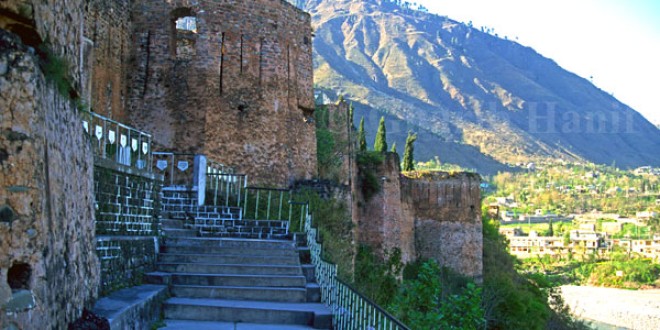
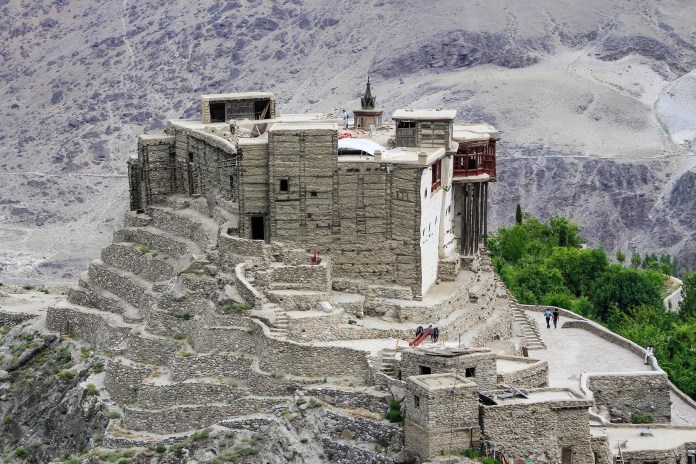
Nestled in the serene beauty of the Northern areas of Pakistan, Altit Fort Hunza is a hidden gem waiting to be discovered. With its rich cultural heritage and awe-inspiring beauty, it has become a popular tourist destination in recent years. In this article, we’ll take you on a journey to explore the history, architecture, and culture of this ancient fort.
A Brief History of Altit Fort Hunza:
Altit Fort is a 900-year-old fort located in the Hunza Valley of the Gilgit Baltistan region in Northern Pakistan. It was built by the Mir of Hunza in the 11th century and was the primary residence of the Mirs until the 16th century. The fort has witnessed many historical events, including wars, alliances, and migrations. In the 16th century, the Mir of Hunza moved to the nearby Baltit Fort, leaving Altit Fort in a state of abandonment. It remained in a state of decay for several centuries until it was restored and renovated in the 1990s.
Altit Fort and in particular the Shikari tower is around 1100 years old, which makes it the oldest monument in Gilgit-Baltistan.
The people of Altit are believed to be descendants of the white Huns, but there hasn’t been much research on this topic. While there are several theories about their origins, the locals place great value on their indigenous roots. It’s believed that the white Huns brought the language Bruchiski to the area in 47 A.D., but there are no known links between Burushaski and any modern language.
Legend has it that Altit village was originally called Hunukushal, which translates to “village of Huns.” The Huns originated from the Huang-Ho valley in China. Over time, the name changed to Broshal, which means “village of Burushaski speakers.” The people practiced Shamanism, and spirit worship, and followed Buddhism and Hinduism until Islam was introduced in the 15th century. In the 1830s, many converted to Ismailism.
Unique architecture of Altit Fort Hunza:
The architecture of Altit Fort is a blend of Tibetan, Central Asian, and Islamic styles. It is built on a natural rock formation and has a commanding view of the Hunza River and surrounding mountains. The fort has two main sections: the lower section and the upper section. The lower section consists of a mosque, a royal guesthouse, and stables, while the upper section contains the living quarters of the Mirs and their families. The fort is made of locally sourced stone and timber and is an impressive example of medieval architecture.
Altit Fort is not just a historical landmark, but also a cultural hub of the region. The local community has preserved its cultural heritage by showcasing its traditions, customs, and handicrafts. The fort hosts several cultural events throughout the year, including the annual Altit Fort festival, which attracts visitors from all over the world. The festival is a celebration of the region’s rich cultural heritage and includes traditional dance, music, and food.
Discover the Best Things to Do at Altit Fort Hunza:
If you’re planning a visit to Altit Fort in Hunza, be sure to check out the Royal Garden and the unique cafe run entirely by women. While the indoor dining area is cozy, the real highlight is the veranda overlooking the stunning valley. Take a break from your tour of the fort and indulge in some traditional Hunza cuisine, including Chap Chrro, a flatbread filled with meat, Brustz Shapik, a flatbread stuffed with local cheese, seasoned with herbs and apricot oil, and Diram Phitti, a delicious dessert made with wheat and apricot oil. With its charming atmosphere and delicious food, this cafe is not to be missed during your visit to Altit Fort Hunza.
Altit Fort is a testament to the rich cultural heritage of Northern Pakistan. It is a must-visit destination for history enthusiasts, architecture lovers, and cultural explorers. Its serene beauty, stunning architecture, and vibrant culture make it a hidden gem waiting to be discovered. So pack your bags and set out on an adventure to explore the wonders of Altit Fort.
Pakistan is a country blessed with natural beauty and diverse culture. The Northern areas of Pakistan are a hub of tourist attractions, including high peaks, lush green valleys, and crystal clear water. Skardu is the main town of Baltistan and a gateway to the Karakoram mountain range. It is situated at an altitude of 7,500 feet and surrounded by the mighty Karakoram range. The journey to Skardu is an experience of a lifetime, and the flight from Islamabad to Skardu is considered one of the most picturesque flights in the world. In this article, we will explore why PIA to Skardu is the world’s most scenic flight.
What makes PIA to Skardu the World’s Most Scenic Flight?
World’s Most Scenic Flight provides you with A journey through the mighty Karakoram range.
The flight from Islamabad to Skardu covers the journey through the mighty Karakoram range. The Karakoram range is home to some of the highest peaks in the world, including K2, the second-highest peak on earth. The passengers on board the flight can witness the breathtaking view of the Karakoram range from their windows. The flight passes through narrow valleys, glaciers, and snow-capped mountains, making it a truly remarkable experience.
The beauty of the Northern areas of Pakistan.
The Northern areas of Pakistan are heaven for tourists, offering a glimpse of nature’s beauty at its best. The flight to Skardu covers the journey over the Northern areas, including Nanga Parbat, the ninth-highest peak in the world, and the Deosai plateau, one of the highest plateaus in the world. The passengers on board can witness the panoramic views of the valleys, rivers, and snow-capped mountains from a height of 30,000 feet.
Baltistan is a beautiful valley surrounded by the Karakoram range. It is known for its lush green fields, orchards, and ancient architectural sites. The passengers on board the flight can witness the mesmerizing view of the Baltistan valley from their windows. The journey to Skardu is incomplete without experiencing the beauty of the Baltistan valley from the skies.
What can passengers expect during the PIA to Skardu flight?
Comfortable travel experience.
PIA is known for its comfortable and safe travel experience. The PIA to Skardu flight is operated on a Boeing 737, offering a comfortable journey to the passengers. The passengers can enjoy in-flight entertainment, including movies, music, and magazines, to make their journey more comfortable and enjoyable.
Delicious in-flight meals.
The PIA to Skardu flight offers delicious in-flight meals to its passengers. The passengers can enjoy traditional Pakistani cuisine, including biryani, chicken karahi, and kebabs, during their journey. The flight attendants are courteous and provide excellent service to make the passengers feel at home.
Friendly and welcoming staff.
The PIA to Skardu flight has a friendly and welcoming staff, who are always ready to assist the passengers. The flight attendants are well-trained and provide excellent service to the passengers. The staff speaks English and Urdu, making it easy for international travelers to communicate with them.
FAQs.
What is the duration of the PIA to Skardu flight?
The PIA to Skardu flight takes approximately 1 hour and 30 minutes. However, the duration may vary due to weather conditions and air traffic.
What is the best time to take the PIA to Skardu flight?
The best time to take the PIA to Skardu flight is from May to October. During this time, the weather is pleasant, and the skies are clear, offering the best views of the Karakoram range and the Northern areas of Pakistan.
How can I book the PIA to Skardu flight?
You can book the PIA to Skardu flight online through the PIA website or a travel agent. It is advisable to book the flight in advance, especially during peak tourist seasons, as the seats may fill up quickly.
The PIA to Skardu flight is an experience of a lifetime, offering breathtaking views of the Karakoram range, the Northern areas of Pakistan, and the Baltistan valley. The flight provides a comfortable and safe travel experience, with delicious in-flight meals and friendly and welcoming staff. It is no wonder that the PIA to Skardu flight is considered one of the most picturesque and the World’s Most Scenic flights the world. If you are a travel enthusiast, this flight should be on your bucket list. Book your tickets and get ready to witness the natural beauty of Pakistan from the skies!
Have you ever heard of Gilgit Baltistan? If not, you are missing out on one of the most beautiful and culturally rich regions in Pakistan. Located in the northern part of the country, Gilgit Baltistan is a land of stunning natural beauty, with towering peaks, crystal clear lakes, and lush green valleys. But beyond its breathtaking scenery, this region is also home to a vibrant and unique culture that is worth discovering.
In this article, we will take you on a tour of Gilgit Baltistan and explore the lesser-known side of Pakistan. We will cover the history, culture, and natural wonders of this incredible region, so you can get a glimpse of what you are missing. So, buckle up and get ready to explore one of the most fascinating and beautiful regions in the world.
Gilgit Baltistan is a region in northern Pakistan that is known for its stunning natural beauty and rich cultural heritage. Despite its incredible tourism potential, however, it remains one of the least explored and understood regions in the country. In this article, we take a closer look at what makes Gilgit Baltistan so special and why it is worth visiting.
A Brief History of Gilgit Baltistan
Gilgit Baltistan has a rich and fascinating history, with a complex past that has been shaped by a variety of different cultures and civilizations. The region was once a major crossroads for trade and commerce and was inhabited by a diverse mix of peoples, including Buddhists, Hindus, and Muslims.
Over time, the region came under the control of various empires and dynasties, including the Persians, the Mughals, and the British. Today, Gilgit Baltistan is part of Pakistan and is an autonomous region that is governed by its own elected officials. Despite its rich history, however, the region remains relatively unknown to many people and is often overlooked by tourists and travelers.
The Unique Culture of Gilgit Baltistan
One of the things that set Gilgit Baltistan apart from other regions in Pakistan is its unique culture. The region is home to a vibrant mix of different ethnic and linguistic groups, each with its own distinct traditions, customs, and beliefs. Some of the most notable groups include the Shina-speaking people, the Burusho, and the Khowar.
In addition to its diverse ethnic groups, Gilgit Baltistan is also home to a rich and fascinating Islamic culture. The region is dotted with ancient mosques and madrassas and is known for its traditional music and poetry. The people of Gilgit Baltistan are proud of their cultural heritage and are keen to preserve and promote it for future generations.
The Natural Wonders of Gilgit Baltistan
Beyond its rich cultural heritage, Gilgit Baltistan is also known for its stunning natural beauty. The region is home to a variety of different landscapes, including towering peaks, crystal clear lakes, and lush green valleys. Some of the most famous natural attractions in the region include Naltar Valley, Rakaposhi, and the Hunza Valley.
Naltar Valley, located near the city of Gilgit, is famous for its stunning alpine meadows, which are dotted with vibrant wildflowers in the summer months. The valley is also home to several ski resorts, making it a popular destination for skiers and snowboarders.
Rakaposhi, on the other hand, is a towering peak that stands over 26,000 feet tall and is considered one of the most challenging and beautiful mountains in the world. And finally, the Hunza Valley is known for its stunning scenery, with towering peaks, rolling hills, and a sparkling river running through its center.
The Natural Beauty of Gilgit Baltistan
The first thing that strikes visitors to Gilgit Baltistan is the region’s incredible natural beauty. From the soaring peaks of the Karakoram mountain range to the lush green valleys dotted with vibrant wildflowers, the region is a true feast for the senses. The Himalayas, Hindu Kush, and Karakoram ranges meet in Gilgit Baltistan, creating a unique topography that is home to some of the world’s highest peaks, including K2, Nanga Parbat, and Gasherbrum.
The Rich Cultural Heritage of Gilgit Baltistan
In addition to its natural beauty, Gilgit Baltistan is also rich in cultural heritage. The region has been inhabited for thousands of years, and its diverse mix of cultures and traditions has given rise to a unique and fascinating history. From the ancient rock carvings at Shatial to the stunning Buddhist rock art at Chilas, there is plenty to see and explore for visitors interested in history and culture.
The Adventure Capital of Pakistan
For adventure enthusiasts, Gilgit Baltistan is a true paradise. The region is home to some of the best trekking and mountaineering opportunities in the world, and it is also a popular destination for white-water rafting, kayaking, and rock climbing. Whether you are a seasoned mountaineer or just looking for a bit of excitement, Gilgit Baltistan has something to offer everyone.
The Hospitality of the Local People
One of the things that make Gilgit Baltistan so special is the hospitality of the local people. The people of the region are known for their warmth and friendliness, and they are always eager to welcome visitors to their homes and show them around. This hospitality is part of what makes Gilgit Baltistan such a unique and memorable destination.
The Best Time to Visit Gilgit Baltistan
The best time to visit Gilgit Baltistan depends on what you are looking to do. If you are interested in trekking or mountaineering, the best time to visit is from June to September. If you are more interested in exploring the region’s cultural heritage, however, the best time to visit is from April to June, when the weather is mild and the wildflowers are in full bloom.
In conclusion, Gilgit Baltistan is a truly unique and special region of Pakistan that offers visitors a chance to experience stunning natural beauty, rich cultural heritage, and warm hospitality. Whether you are an adventure enthusiast or simply looking for a change of pace, Gilgit Baltistan is definitely worth considering for your next travel adventure.
FAQs
Is Gilgit Baltistan safe to visit?
Yes, Gilgit Baltistan is safe to visit. The region is relatively peaceful, and the local people are very friendly and hospitable. However, it is always a good idea to check the latest travel advice before traveling to any new destination.
Can I visit Gilgit Baltistan without a guide?
You can visit Gilgit Baltistan without a guide. However, it is highly recommended to hire a local guide for a better and more authentic experience. They can take you to the hidden gems of the region, provide valuable insights about the culture and history, and ensure your safety. Having a guide can also make navigating the region much easier, as they will know the best routes and have local connections.
Skardu is a city nestled in the mighty Himalayas. This small city is one of the most fascinating places in the world and offers amazing and beautiful places for tourists to visit in the valley. Skardu is known as the “Queen of the Alps,” and it’s easy to see why: the snow-capped peaks, crystal-clear rivers, and dense forests make for some of the most iconic landscapes in the world. So if you are planning a trip to Skardu, here is a list of places you must visit in Skardu, which will blow your mind:
Amazing Top Tourist Attractions and best places to visit in Skardu.
Deosai National Park, Skardu.
Shigar Valley Baltistan.
The Cold Deserts (Katpana Desert and Sarfarnga Desert)
Shangrila Lake and Resorts Kachura Baltistan.
Sadpara Lake Skardu Baltistan.
Khaplu Fort.
Manthokha Waterfall Kharmang Baltistan.
Sheosar Lake Deosai.
The Blind Lake Shigar.
Khamosh Abshar Kharmang.
Sxoq Valley Kachura Baltistan.
Tormic Medows Roundu Baltistan.
Upper Kachura Lake Baltistan.
Masroor Rock Hussain Abad.
Nangsxoq The Organic Village Skardu.
Chunda Valley Skardu Baltistan.
Rioung Chumick, The Monal of Skardu.
Saling Spangtoq Khaplu Baltistan.
Basho Valley Roundu Baltistan.
Kharfacho Fort Skardu Baltistan.
Deosai National Park Gilgit Baltistan.
The Deosai National Park is located in Skardu at a height of 3500 m, making it one of the highest national parks in the world. The park is one of the most popular destinations in Gilgit Baltistan, with visitors coming to admire the beautiful scenery, which is surrounded by mountains and glaciers. The best time to visit is during the summer when the weather is pleasant and the snow has yet to cover the mountains. The Deosai National Park is known for being a great place for activities such as hiking and camping, which allows visitors to get close to the animals, including the rare Tibetan antelope (also known as the “blue sheep of the Himalayas” for its unique blue color), as well.
The Shigar Valley is one of the most famous and beautiful places in Skardu. It’s a steep-walled valley carved by the Shigar River, which cascades down from the spectacular Shigar Alps. The Shigar Valley is a must-visit for climbers, who scale the imposing peaks of the Shigar Alps in search of unexplored summits. But visitors can also enjoy the spectacular views of glaciers, snow-capped peaks, crystal-clear rivers, and dense forests, all of which make it one of the most iconic and photogenic landscapes in Pakistan, and the friendly locals will show you the best views and best routes.
Shigar Fort, which is a majestic piece of architecture also situated among the vast plains of Shigar, was built by Hassan Khan, the 20th ruler of the Amacha Dynasty, in the early 17th century and was previously known as the Palace of Rock. The Shigar valley is also home to Shigar Lake, the largest lake in the region.
The Cold Deserts (Katpana Desert and Sarfarnga Desert)
Another gorgeous spot to visit in Skardu is Katpana Lake and Desert. Between the Himalayas and the Karakoram, there are sand dunes that are nothing less than breathtaking. These captivating sand dunes are located near the Indus River, which runs through Skardu’s two core deserts, the Katpana Desert and the Shigar Desert. Because of the chilly weather and surroundings of the desert, these mesmerizing sand dunes are also known as “cold deserts.” Aside from the desert, there is also a small, picturesque lake here called Katpana Lake, which is popular with tourists due to its peacefulness and elegance. This gorgeous lake has pure, clear water, rich green meadows, and the Karakoram Mountains in the background, adding to the allure of this enchanting location.
Shangrila Lake and Resorts Kachura Baltistan.
A Beautiful Day at Shangrila lake and Resort Skardu.
Located in Skardu at a height of 2500 m, Shangrila Lake is a source of pride for the locals. It is also a popular destination for visitors, who come to admire the beautiful scenery, which is surrounded by mountains and glaciers. The lake is known for being a great place for activities such as boating, fishing, and birdwatching. It is also a good spot for picnics, given that the weather is almost always pleasant. The Shangrila resort is located near this lake and is an ideal place to stay due to its location and breathtaking views. Stay at this resort for a dreamy stay on your vacation.
Satpara Lake, located at an elevation of 8650 feet, is another gorgeous lake in Skardu. This beautiful lake is located 2.5 kilometers from Skardu city. A scenic island in the midst of the lake adds to the splendor of this breathtaking location. Aside from its beauty, this lake is one of Pakistan’s largest freshwater supplies. This lake is Skardu’s primary source of drinking water and energy. Furthermore, hundreds of tourists visit this fascinating turquoise blue lake to enjoy boating, rafting, and fishing in the lake’s quaint fresh water.
Khaplu fort, Located in Skardu, Pakistan, this spectacular fort has been standing since the 11th century. Built as an impregnable fortress, the fort has seen countless battles and sieges. The fort has survived many sieges, but it was also built on the site of a former settlement, which was razed to the ground during the construction of the fort in the 12th century. It was also used as a hotel to accommodate royalty and is now covered by the Serena hotel for public use.
Manthoka waterfall is another lovely location in Skardu. This breathtaking waterfall may be seen in Skardu’s Kharmang Valley. This breathtaking waterfall is surrounded by an emerald green valley and towering mountains. This man-made waterfall erupts spectacularly from massive and tall mountains, making it difficult to believe it is not a natural waterfall. You can have so much pleasure in this lovely spot with your friends and family, from drinking clean fresh water to watching a pristine waterfall, from witnessing vivid rainbows to photographing silky streams.
Sheosar Lake is another spectacular lake in Skardu. This enthralling lake can be found amid the broad plains of Deosai. With an elevation of 13,589 feet above sea level, this exquisite lake has its own unique charm and splendor that should be seen at least once in a lifetime. The lake’s beauty is enchanting in every season; in the summer, its crystal clear water reflects a variety of colors, while in the winter, this frozen lake throws a spell on tourists with its remarkable beauty. Furthermore, you will see the majestic mountains of Nanga Parbat against the backdrop of the verdant plains of Deosai that encircle the lake from all sides.
The Blind Lake is a fascinating and picturesque lake located about an hour’s drive from Skardu. Shigar Valley is relatively close by. It is surrounded by two rivers. The Indus River and the Shigar River. The lush green trees that encircle the lake are the most prominent aspect that draws attention. The lake’s attractiveness and splendor are very mesmerizing, and they always leave a lasting imprint in the minds of the viewers.
Khamosh Waterfall is an amazing natural waterfall, located 60km away from Skardu city. This beautiful waterfall is located in the Kharmang district of Skardu Baltistan. The scenery around this waterfall is beautiful lush green. The sound of fresh water falling from the height of the peak is so satisfying and relaxing. This mist formed from clean and cold crystal water is the most enjoyable feeling near the waterfall.
Sxoq Valley is a few km away from Shangrila resorts, at a drive of approximately half an hour from Shangrila. The beautiful rivers originating from the high mountains end in one river “the Sxoq river” well before entering Sxoq valley. Four-wheel drive, bike, or trekking can take one to the camping site of the valley after turning left from the village Kachura and driving alongside the Sxoq river. There are many beautiful spots to stay on the way, although it’s a short drive of half hour and the complete path is so mesmerizing and worth spending some time with. From the google map, Shangrila lake and SOQ valley can be seen on two sides of one mountain. You can have a wonderful time at the camping site along with BBQ, bonfire and a cup of tea. The rest of the beauty is already created by Allah and bestowed to this lap of two mountains turning it into a heavenly place for explorers of nature.
Tormik Valley Roundu Baltistan.
Tormik Valley Roundo Baltistan. Photo by Abrar Khawaja
Tormik is a panoramic valley in the Subdivision Roundu of the Skardu district. The valley lies on the Gilgit-Skardu link road near the headquarter of Subdivision Roundu, Dambudas. The valley is famous for its lush green and breathtaking high-altitude area known as Broq in the local language, Balti. The Broq has lush green plains, freshwater streams, springs, and forests having different kinds of species of plants. In Broq there is a playground designed for playing Polo. In summer people from different areas of Roundu gather at the Broq to play Polo, which is also known as the regional game of Gilgit-Baltistan territory. Tormik is the second largest valley in Roundu in terms of area and population, Stak Valley being first. In summer July-Mid September, one can reach the Stak valley from Tormik via mountain pass by a track over the Kulankae. The track is very easy and simple if the snow has melted down because in winter the pass is covered by many feet of snow.
Upper Kachura lake is also known as Frogh Scho. This lake is the second most beautiful lake in the vicinity of Skardu city. Upper Kachura lake is at a distance of 27.7km from Skardu city. It is easily accessible by car. It is a beautiful lake with fresh and clear blue water surrounded by huge mountains and wild trees. The trees are covered with fruits mainly apricots. The temperature in summers can reach up to 20 C and in winters the lake is frozen. The main attractions of Upper Kachura lake include its breathtaking scenery, trout fishing, boating, mountain or hill hiking, and trekking.
Marsur rock resembles Trolltunga Rock Norway. This amazing rock is a newly discovered tourist attraction located in Hussainabad valley near Skardu city, Gilgit Baltistan. Marsur rock is 38 ft long and 25 ft projected horizontally out of the base. It takes 4 hours of uphill hiking from village Hussainabad Skardu to reach there. Visiting this rock will give you a unique experience of 4 hours of high-angle hiking and the finest bird eye view of Skardu city. You can enjoy amazing views of the whole of Skardu city, Hussainabad, Thorgu, Gamba Skardu, Sarfaranga village, Sarfaranga cold desert, the Indus river, Kharpocho Fort, and the mountains around.
There is a very serene and peaceful place in Skardu that many people do not know about known as the Nangsoq village. This is the first settlement in this area that was purposefully developed as an organic village in order to promote this healthy lifestyle. Trek to this beautiful village starts from the neighborhood near Kharpocho fort. It is a beginner-level trek of around 3 kilometers that takes you on a scenic route along the Indus river with some spectacular views of the valley. It takes around an hour to reach the village by walking on a gradually inclining path. You also come across a few wooden bridges along the way.
Chundu Valley is like a small slice of heaven situated near Skardu. Apricot, Cherry, Apple, Almond, and Pear trees, each with different flowery aromas and exotic colors, welcome you to the region. This valley is situated on elevated ground and offers a wonderful view of Skardu City. The spring blossom season in Gilgit-Baltistan is the greatest time to explore the Chunda Valley since it is filled with so many different hues of fruit-bearing plants.
Rioung Chumick, The Monal of Skardu.
A beautiful view of Skardu City from Riong Chumick. Photo by Abrar Khawaja
Tourists go to Monal Islamabad to enjoy the breathtaking view of Islamabad, likewise, you can hike to Rioung Chumick in Skardu to enjoy the birds-eye view of Skardu city. ‘Rioung’ is a Balti language word meaning Rabbit.
Saling Spangtoq Khaplu Gilgit Baltistan Pakistan A wonderful place to visit and landscape photography. It is situated within 20 minute drive from Khaplu valley. District Ghanche is home to some of the most attractive rivers mainly Shyoke and Saling Rivers. Alongside these rivers are beautiful settlements and the water from these rivers is basically the lifeblood of the population here. Saling is a gateway to Hushe Valley as well as a very nice camping spot just beside a lake. On the other side is a wonderful view of Khaplu Town. There is a beautiful fish farm in Saling that offers delicious fish feasts, in which you can just fish your own fish or you can point out what would you like to have over lunch. On the furthest side of Saling is the Mashabrum and sister peaks which gives this place much like a look of Village Pasu in upper Hunza valley. But it sure has a touch of its own uniqueness.
Basho Valley is one of the beautiful and picturesque landscapes in Roundu district Baltistan. This Valley with its extreme beauty, majestic snow-capped mountains, and primitive charm are one of the favorite places to visit in Skardu, the Northern area of Pakistan. About one and a half hours drive from Skardu, the famous city of Baltistan. The valley is almost 8,800 feet above sea level. Around 45 km away from Skardu, Gilgit Baltistan, and at approx.10,000 ft high. This valley offers you a beautiful meadow and a waterfall to visit.
Kharfacho Fort Skardu.
Kharfacho fort, known as the king of forts, which stands high on the Indus river guarding the city is also called the king of forts. It was believed that the way to this fort was only known to the royal family. Later the present way was made and now it is open to the public. But the way this fort is still hard to hike. If you are on a visit to Skardu city this fort is a must-see place in the city.
Gilgit-Baltistan, one of the most beautiful and, eye-catching regions of Pakistan and a popular tourist destination, is known to be surrounded by the highest and greatest number of mountains in the world; a land where the three glamorous mountains of the Himalayas, Karakoram, and Hindu-Kush join; a land that is home to rare biodiversity, diverse landscapes, and sparkling lakes. All these combine to create the perfect aura for romantic getaways, particularly honeymoons. Why go to Switzerland or other pricey destinations when Pakistan has all the beauty to offer for you to relish with your life partner? Here in this post, we have compiled a list of amazing places and most beautiful destinations in Gilgit Baltistan for a memorable honeymoon trip with your life partner.
Here are the top ten honeymoon spots in Gilgit Baltistan.
A beautiful curvy road and the Passu Cons of Hunza in the backdrop, capture the perfect memory of your honeymoon. Photo by Muhammad Asif on Unsplash
Hunza Valley, a precipitous valley, is a marvelous site for honeymoons and one of the most captivating spots to visit in Pakistan. In addition to its renowned glaciers, snow-capped mountains, fertile apricot fields, and teal lakes, the region has a rich cultural legacy. The Hunza Valley is beautiful all year, but the best months to visit are May through October.
The whole Skardu is honeymoon worthy and a must-see in Gilgit, but in particular, visit Shangrilla Lake. This location offers visitors a breathtaking panorama. This lake is bordered by resorts with stunning architecture and natural beauty. Staying in one of those resorts along the sapphire Shangrilla lake is so dreamy and absolutely necessary while on a honeymoon.
One of the best places to visit in Gilgit is Ataabad Lake. From afar, the crystal clear, colorful, fresh glacier water captures your attention. The distant Passu cones seem spectacular from here as well. The vista of mountains, pastures, and waterfalls, combined with the magnificence of Ataabad Lake, makes it all seem too surreal to be true.
Chunda Valley Skardu Baltistan, Image source unknown
Chundu Valley is like a small slice of heaven situated near Skardu. Apricot, Cherry, Apple, Almond, and Pear trees, each with different flowery aromas and exotic colors, welcome you to the region. This valley is situated on elevated ground and offers a wonderful view of Skardu City. The spring blossom season in Gilgit-Baltistan is the greatest time to explore the Chunda Valley since it is filled with so many different hues of fruit-bearing plants.
Rainbow Lake Gilgit Baltistan.
A breathtaking view of Rainbow Lake to make your Honeymoon Trip Memorable. Photo by Muhammad Awais Rehman on Facebook.
Rainbow Lake is a tiny lake with a lot of splendor. Freshwater streams from neighboring mountains supply the water. The lake is breathtakingly gorgeous and is located near the Domel settlement. During the day, the lake’s color varies from turquoise to green and various other shades, hence its name. This place is perfect to spend quality time with your love and beautiful destinations in Gilgit Baltistan for your honeymoon. Rainbow lake is among the world’s beautiful lakes due to its lush green meadows surrounding it. The lake is calm, peaceful, and alluring. The tranquil sight of the lake is supposed to be a wild trout pool. Rainbow lake is covered with flowers, which gives such a pleasing vibe. Astore valley is a hub of tourist spots. People from all around the world come to witness the calm and serene atmosphere of Rainbow lake. The weather is mostly pleasant here. The morning sunrise and sunsets are a treat to watch. This lake is surely the best place to visit, the lake will make you spellbound.
Khaplu valley Skardu Baltistan.
A beautiful road leading to Khaplu Valley. Photo by SM Bhukhari.
The Khaplu Valley is one of Gilgit Baltistan’s most picturesque valleys. The valley is well-known for its historical buildings, fruit trees, highest hills, and romantic river and stream views. Khaplu is a wonderful honeymoon destination because of its gorgeous view of the Karakoram Mountains, historical structures, heritage hotels, and magnificent water streams.
You should stay in Khaplu fort, which was previously the royal home and has been converted into the Sereena heritage hotel, which is also known for the renowned drama Diyar e Dil that was shot there. You can recreate all those scenes with your loved one and enjoy the royal ambiance of the hotel.
Deosai National Park is undoubtedly one of the most incredible spots to camp. The huge expanse of Deosai, the world’s second biggest alpine plateau, appears to be unending pastures covered in wildflowers. This is mainly available throughout the summer. But it’s beautiful when the snow melts in the summer, the meadows bloom with flowers and butterflies, which makes this location one of the Beautiful Destinations in Gilgit Baltistan for a Honeymoon.
Fairy meadows Gilgit Baltistan.
A beautiful view of Nanga Parbat from Fairy Medows. Photo By Tahsin Anwar Ali – Own work, CC BY-SA 3.0,
Fairy Meadow is a luscious green plateau located in the foothills of Nanga Parbat on the Himalayan Range’s western border. Fairy Meadows is home to beautiful waterfalls, natural springs, and breathtaking views of the surrounding mountains. The vista is breathtaking. You lose yourself in the magnificence of Nanga Parbat, known as “the killing mountain,” when you see it. If you enjoy spontaneous camping trips, this is the spot for you. With the beautiful scenery in front of you, you can tent in one of the cottages there. This makes this location an ideal and beautiful destination in Gilgit Baltistan for Honeymoon.
Hushe Valley is a magnificent valley enveloped by enchanting mountains, earning it the moniker “Paradise of Mountains.” It is well-known for hiking, and people from all over the world come to conquer the Kingdom of Mountains’ peaks. You can trek to Humbrok first, and then enjoy the peaceful life in Hushe village. A classic Pakistani village surrounded by wheat fields and vegetable patches, with the occasional apricot tree.
Shigar Valley Skardu Baltistan.
Churka Valley is an extension of Shigar Valley, Just After a Rain Fall. Photo by Nasir Shigri
Shigar Valley is one of Gilgit-Baltistan’s districts in Pakistan. Shigar Valley is a mountainous valley in Gilgit-Baltistan that is a popular tourist destination for honeymoons in North Pakistan. It is very beautiful from May to September, and then there is heavy snowfall in the winter. Because of its beauty, nature, and the decency of the people who live there, people from all over the world come to visit. The scenic Shigar Valley in northern Pakistan is the setting of fairy tales. Hence, it’s great for a fairy tale kind of honeymoon.
Azad Kashmir is renowned for its unmatched scenic scenery and is sometimes referred to as “Heaven on Earth.” It offers several stunning spots that draw tourists all year long by showcasing Pakistan’s stunning features and panoramic perspective. In this post, we have compiled a list of the top 10 most beautiful places to visit in Kashmir Pakistan. If you are planning to visit Kashmir, this post is definitely for you.
Here are the top 10 most beautiful places to visit in Kashmir Pakistan.
Unquestionably, the Neelum Valley, one of the most picturesque locations, brimming with magic and fantasy. Due to its abundance of suburbs, local villages, lakes, trekking routes, mountainous areas, and other noteworthy attractions, it is also recognized as the top tourist destination in Azad Kashmir. These elements all contribute to the valley’s ethereal aura, making it the ideal getaway and one of the best places to visit in Kashmir.
Toli Pir appears to be yet another beauty lying in the vast lands of Kashmir. At this peak, which is 8800 feet above sea level, you will have a sense of being on top of the world. The ambiance is serene and calm, and the scenery is breathtaking. The spring season is the perfect time to visit this spot. Due to its high altitude, it spends the remaining months doing nothing but chilling.
The peaceful, nearly mirror-like lake water in the daytime is surrounded by tall, lush green trees that create a view too beautiful for any camera to depict. Therefore, you must look via the god-given lenses of your eyes to be completely mesmerized by these surreal views. Summer is the ideal time to explore the area because the temperature is pleasant and below 25°C.
Banjosa Lake., An amazing places to visit in Kashmir.
Ramkort Fort.
Dear archaeologists and archaeology enthusiasts, This location is for you. The Ramkort fort is an outstanding piece of architecture. It is an illustration of contemporary Muslim military construction. The history of this fort spans the fifth and ninth centuries. The Jhelum River encircles this majestic fort, enhancing its beauty.
A facade of the fortress looks over the reservoir. Ramkort Fort, Photo by Aown Ali.
Pir Chinasi.
Pir Chinasi is located in the capital of Azad Kashmir, Muzaffarabad. It is renowned religiously since the shrine of Hazrat Shah Hussain is situated there. The shrine is surrounded by dense forest and distant mountains, which add to its splendor. The new road that leads to Pir Chinasi is smooth, providing a comfortable ride combined with breathtaking surroundings. It is recommended to visit during the summer as the weather is pleasant. In winter, the roads are usually blocked due to intense snow.
Looking at this valley in the golden light of the sun with majestic mountains and tall pine trees enveloping it makes you forget everything and wonder if this is even real or just a fantasy. The peak time to visit the valley is May to November when the weather is suitable. Leepa Valley is located approximately 83 kilometers from Muzaffarabad and is easily accessible.
Leepa Valley Muzaffarabad, is a wonderful place to visit in Kashmir. Kashmir.
Red Fort.
The red fort is also recognized as Muzaffarabad Fort mainly since it is located in the city. Even though the fort is damaged now, it’s still a famous heritage site of Azad Kashmir. The Neelum river surrounds the red fort on three sides, adding to its magnificence. The fort’s architecture is a tribute to the excellent experts who worked on its design and construction, making it a masterpiece. Red Fort was built by the Chak rulers of Kashmir.Locally, it is known as the “Rutta Qila”.Chak rulers of Kashmir anticipated a threat to the city from the Mughals. Construction was initiated in 1559 at a strategic location.The Mughal Empire annexed Kashmir in 1587, and the fort lost its importance. Finally, the construction of the fort was completed in 1646 in the reign of Sultan Muzaffar Khan of the Bomba Dynasty , the founder of Muzaffarabad city. The architecture of the fort shows that great experts in design and structure participated in its construction. It is surrounded on three sides by the Neelum River formerly known as the Kishenganga River. The northern part of the fort had terraces with steps leading to the bank of the river. The eastern side was very well protected from the hazards of flood waters, but some parts on the north side have suffered damage. There used to be an inn at the entrance to the fort, but only traces of that structure remain now. Most of the fort’s relics were stolen and a large portion was destroyed during the 2005 earthquake.
Red Fort Kashmir Pakistan.
Shounter Lake.
Shounter Lake, located in Shounter Valley, is a gem of the region. Along with many other attractions in the area, Shounter Lake is a must-see. It’s a small but distinctively shaped lake amid snow-capped mountains. The lake is 3100 meters above sea level and is surprisingly deep. You should visit around May and August.
Rawalakot is marked as the most prominent region to visit in Azad Kashmir. It is also known as the Pearl valley. Reaching here in summer you will find idyllic beauty in its verdant peaks and bright flowers spreading their pleasant scents into the rushing winds. Indeed a treat for all senses.
Rawalakot Azad Kashmir.
Arang Kel.
Arang Kel is a luscious green town situated 8,379 feet above sea level in Neelum Valley. The pastures are lush with greenery, and in the summer, horses, goats, and birds sing wonderful tunes in the backdrop. During the winter, the area is blanketed with snow, transforming the entire area into a lovely white palace. This is a wonderful spot to come to throughout the year.
A small village called Arang Kel is situated along the LOC in Azad Jammu and Kashmir, Pakistan. Photo by Abdullah Kashif on Unsplash
Kumrat Valley is an exquisite valley in the upper Dir region of KPK, Pakistan. It is home to a diversity of flora and wildlife thanks to its lush green meadows, snow-capped peaks, rushing river Panjkora, mesmerizing misty mounds, and enchanting forests. All this adds up to the peaceful, romantic ambiance of Kumrat Valley, attracting thousands of visitors from all over the nation during the summer to soak in the verdant greenery and cool atmosphere.
What is the best time to visit Kumrat Valley?
Peak seasons to visit are May, June, July, August, and September when the temperature is pleasant between 5 and 16 degrees Celsius. The temperature dips below -16.1 °C (3.1 °F) or lower during the winter peak months of December, January, and February, which is excellent for snowfall experiences and winter sports activities.
What are the best tourist attractions and places to visit in Kumrat Valley?
Before we move on to our story let us see what are the most beautiful and visited tourist points in Kumrat valley. There are many attractions and places to visit in the Kumrat Valley, covering a wide area that is just waiting for you to explore! Perhaps Kumrat valley is the most famous gem of a place to visit in the Dir District. Here is the list of some:
I’ve been yearning to visit this esoteric and renowned valley for a long time, but I’ve been putting it off due to the prevalent corona. But now that I can travel freely again, I am committed to making the best of this trip.
Which route to take from Islamabad to Kumrat Valley?
We set out at 4 a.m. to enjoy most of the day pondering the region, with my brother driving and our two cousins snoring in the back seat of our civic. While I was bursting with exhilarating emotions, I kept my gaze fixed on the moving images outside the window. The total driving distance between Islamabad and Kumrat Valley is 370 km, and it takes about 9 hours to get there by taking the M1, then the M16 towards Chakdara, and afterward the N45, Dir Road to Kumrat. However, this route seemed a little too straightforward for us, so we took the alternative route through Swat Valley.
First, we drove three hours to Mingora, which is a city at the bottom of the Swat valley famous for its Mingora bazaar. The Swat Muzeum, Fizagat Park, Saidu Sharif, and Mingora Bazaar are some of the few popular sites in Mingora. We had our breakfast there and then continued towards Kalam, which was another three hours away.
Where to stay at night?
We spent the night in Kalam. It boasts the best hotel options, numerous lakes, and several tourist attractions, making it a must-see. After lunch and about two hours of rest, we visited a few tourist spots. The next morning, we rented a 4×4 jeep to go to Kumrat, which took three and a half hours.
Thal and Panjkora River.
By the time we reached Thal, I was humming with ecstasy, although quite drowsy due to fatigue. The Panjkora river accompanied us on the path from Thal to Kumrat. Gazing at the tranquil turquoise-blue stream crashing on rocks washed away my tiredness. We first reached our hotel, “Panjkora Hotel & Resort Kumrat”. It is indeed very pricey, but in comparison to others, it’s the best option available in Kumrat. After freshening up, we left to give the marvelous Panjkora river a closer look.
As I step down the jeep in the valley with the river in front of me, a sweet flowery wind rushes over us, ruffling our hair. We see a handful of cottages with grass roofs and a herd of goats grazing on meadows far in the background, while in front of us we see the calm Panjkora creek meandering through the mist-ridden forests filled with towering pine trees. It was surreal and enchanting.
Along the river were multiple camping sites and a few makeshift restaurants. They were grilling fish over the blazing wood. The aroma of delicious fish was picked up by the cool breezes coming our way, which subsequently heaved us towards the restaurant. There we ate some appetizing fresh trout, a delicacy of Kumrat.
A local family was seated at a table next to ours, and after noticing us, they invited us to join them. They even paid for our meal later on and welcomed us to their camping excursion that evening into the dark forest. Indeed, these mountain people are truly the most generous and hospitable. Throughout our trip, I witnessed this virtue numerous times.
Is Kumrat Forest perfect for camping?
That evening, we followed them into the Kumrat forest. In the middle of this majestic, unrivaled forest, we set up our camps and bonfire, enclosed by trees that are hundreds of feet tall. It was a wonderful experience, perfect for camping. In the morning, the sun was up, spilling golden light over the forest in little droplets. It all looked very glamorous.
Kumrat Waterfall.
After our departure, we went to Kumrat waterfall, which is a tiny stream that descends from a height of about 150 feet. It’s a beautiful waterfall with a small pond of clean water at its base.
From there, we go up ahead to Kala chasma (Black Spring), a natural water spring that emerges from black rock and is known locally as Kala Pathar Chashma (Black Rock Spring). It flows into a shallow pond on the ground. It is about 10 km from the waterfall. 12 km from here is our next spot,Dojanga. It is the point where the Panjkora river divides into two streams. A good place to camp with picturesque views.
Kala Chashma, Kumrat Valley, Upper Dir, KPK, Pakistan. Photo by asad on Unsplash
Beautiful lakes to visit in Kumrat Valley.
The next day, we managed to relish the splendor of three distinct lakes: Gorshy lake, Shahroze lake, and Zhagi lake, all on the same stream with their own marvels. At Gorshy lake, there is a rushing cascade of Panjkora passing by an equal number of lush green pastures and rugged regions. Shehroze Lake, on the other hand, is a blue-tinted lake walled by snow-capped gigantic mountains on one side and grasslands on the other. It is simply gorgeous. Zhagi Lake is encircled by grey rocky ranges with streaks of white snow here and there. It is idyllic scenery and best seen in daylight, with the sun reflecting on the lake and cotton-like clouds filling the sky.
This marks the end of my hectic yet one of the most precious trips of my life. The next morning, truly enamored of the Kumrat valley, flaring with inspiration and gratitude, we travel back to Islamabad with countless delightful memories. It was indeed an unforgettable trip, one that will always stay close to my heart.
A travelogue to Murree Pakistan, one of the most popular tourist destinations in Pakistan. The main points covered in the travelogue are below:
Introduction to Murree Pakistan.
Route to Murree.
Reason for Popularity.
The landscape of Murree.
Traveler’s Experience.
Places to Visit in Murree.
Wandering through Mall road, listening to Birds chirping what sounded like a welcome song, and watching monkeys swinging in the branches, I took a deep breath in the cool misty air of Murree surrounded by tall hills and dark green trees. How incredibly picturesque Murree Pakistan is! I wondered.
Its accessibility, scenic surroundings, and tranquil environment are the key reasons it is Pakistan’s most visited tourist destination.
The travel from Islamabad takes only one hour over the Murree Expressway. The highway is a large four-lane road that leads to Murree and is bordered by vast valleys that add to its grandeur.
Everyone is familiar with the Murree Galiyat region’s natural splendor, interesting vegetation, and mountains covered with pine and oak trees, which create the illusion of a paradise on earth.
Being here for the fifth time, I had the same sense of rejuvenation. I was exploring the most well-known Mall Road Bazaar. Mall road is filled with souvenir stores, restaurants, and motels, among other things. This street is the liveliest in the entire region, and it is busy with visitors who come to enjoy the hustle and bustle of the neighborhood.
The street was as busy as usual. Families were eating hot pakoras while sipping tea, couples were strolling hand in hand, kids were riding horses, and women were busy buying traditional scarves. As I walked about, a wonderfully handmade handbag caught my eye. I came to a halt and, after some haggling, purchased it.
I then continued walking towards Kashmir point for 15 minutes till I arrived at the Pakistani president’s mansion at Murree, passing the cadet college on the way there. Both were visually appealing structures surrounded by a lovely environment. Upon reaching the top, I had an unobstructed panoramic view of the snow-laden Himalaya and Pir Panjal peaks in Kashmir in front of me. The sights, Ahh!
Kashmeer Point Murree Pakistan. AsadHussainShah, CC BY-SA /4.0, via Wikimedia Commons
Kashmir Point, located on the mall road, offers a bird’s-eye view of the Kashmir highlands. At a height of 7500 feet above sea level, it is Murree’s highest point and is normally less busy. People come here to unwind and relax away from the hustle and bustle of Mall Road. I stayed here for a long time, absorbing the allure of the scene. After soaking in the gentle breeze, I was headed toward the renowned PATRIATA chairlift The chair lift and cable car system connect New Murree with Patriata. The ride is around 7kilometerss long in total. I purchased the tickets and began my journey on the chair lift. The region below us was lush and green, heavily populated by a wide range of trees and plants, and home to many different species of wildlife, including birds, butterflies, and monkeys. We were taken to the middle hill by the chair lift. The ride was spectacular. There I sipped tea while marveling at the scenery. The trip resumed with a cable car ride to the Partiata Hills. We were fascinated by the long fall followed by steep ascents. The views were stunning, with mesmerizing far-off highland panoramas. Upon arrival, I was enthralled by the massive snow-capped mountains of Kashmir on one side and the steep Murree highlands on the other. Lower Toppa was the next stop. It is situated at a height of 7000 feet and was built by the British during their occupation of the subcontinent. The evening was setting in, and after a day of exploring, I was starving. I stopped at McDonald’s in Lower Toppa for a quick meal. As I walked out of the restaurant, I viewed mall flakes of white snow falling from the sky all over the place. Snow was drifting in the air like a feather. In the blink of an eye, a thick layer of snow had enveloped the whole area. The snow enhanced the beauty of the already wonderful place. The wind started blowing, and it was really chilly. At first, the snow made me tremble a little, but soon I found myself relishing it in every way possible. The most amazing day of my life came to an ideal conclusion with this.
Well, Pakistan is loaded with a boom nature, especially in our northern areas. They are damn beautiful and Hunza valley is the queen of all northern areas. It is located at the Pakistan-China border in Gilgit Baltistan. Hunza, “A Paradise on Earth” is covered with snowy mountains & beautiful crystal-clear lakes. Hunza Valley is a dizzying mix of stunning and high landscapes, historical forts, and orchid farms rich in organic food. So, we’ve rounded up the top tourist attraction places for adventure lovers in Hunza Gilgit Baltistan. Here is the list of top places to visit Hunza Valley.
Attabad Lake is the result of a massive land-sliding accident in Hunza. But now it is a popular tourist point in Hunza Valley. Tourists visit it and enjoy boating there. Attabad Lake is one of the most beautiful sites in Hunza Valley. It attracts a large number of tourists every year. In addition, the lake’s length is 13 miles and its depth is over 358 feet. Because of its breathtaking beauty, the lake is also considered one of Pakistan’s finest lakes.
Attabad Lake also has several high-end hotels. Attabad Lake has luxury glamping resorts and Luxus Hunza. This makes it convenient for families to visit and stay in a pleasant environment. This lake is one of the best places to visit Hunza. Read more about Attabad Lake in detail here. Attabad Lake, an amazing lake formed due to landsliding.
Attabad Lake Hunza.
Altit Fort Hunza.
The word Altit means “Lower Side”. Like other Forts in Gilgit Baltistan, this is also made of strong stones and wood. Below it, the Hunza river looks like bowing in front of Fort. It has a magnificent view over the Hunza valley. The Hunza Valley’s Altit Fort is an old fort located above Karimabad. It was the residence of the Hunza state’s hereditary rulers, who were given the title Mir. Around 1100 years ago, Altit Fort was the home of a former prince. It now functions as a museum. The fort is a work of art and architecture. The Aga Khan Culture Trust rebuilt the exquisite architecture, preserving it for future generations.
This fort is well-known for its royal garden and the surrounding settlements. Altit Fort is more than just a location; it is a living legacy that is continually evolving. In the winter, a swimming pool can be used as a skating rink. The views from the Altit fort are breathtaking and hypnotic.
The vision of Rakaposhi is first and foremost. No matter where you stay in Hunza, the massive mountain of Rakaposhi is visible. Furthermore, the mountain is 7,788 meters high and is part of the Karakoram Mountain Range. Rakaposhi is Japanese for “Shining Wall.” Rakaposhi’s dawn and dusk views are simply breathtaking.
Rakaposhi Mountain
Baltit Fort Hunza.
Baltit fort is located at the top of the mountain like a Crown on the Valley. The old one but still the most wonderful style of this fort. The Baltit Fort built on a solid foundation of strong stones and wood was the palace of the rulers of Hunza. The fort’s foundations are thought to date back roughly 600 years. Over the centuries, however, there have been rebuilds and adjustments. Today, the fort functions as the top of the Bazaar, from which you can enjoy magnificent views of the surrounding area.
Hussaini bridge is another adventurous tourist spot. It is located about 30 minutes drive from Attabad lake. It consists of a 400 steps long bridge with some scare & thrill. The bridge is stable and safe, but some people find it frightening. The most dangerous and highest suspension bridge in Pakistan is also the oldest bridge in Pakistan.
Hussaini Suspension Bridge.
Passu Cones Hunza.
The cone-shaped group of mountains on the Karakoram highway is just mind-blowing. The cones are known as Passu Cones. The highest point among them is 6,106 m. A huge number of local and foreign tourists visit this attractive place, especially in the summer. The Passu Cones are found in a small village called Passu in Pakistan’s Gojal valley of the Hunza district. Visiting the Passu Cones will undoubtedly be a memorable experience.
Passu Cones Gojal.
Eagle Nest View Point.
It is the highest point of Hunza valley, also an adventure place, and one of the best places to visit Hunza, where you can enjoy the gorgeous view of snow-covered peaks. Hunza Valley is also one of the places where eagles make nests, referred to as eagles nests, which gives you all the reasons to visit this place. The best thing to do in Hunza is to watch the sunrise and sunset over the magnificent peaks of Lady Finger and Rakaposhi from the legendary eagle nest in Dukair. You can enjoy a panoramic view of Hunza Valley from this location.
Eagle Nest View Point.
Khunjarab Pass Sost Border.
It is a border between Pakistan and China. The beginning point of the economic corridor. This corridor will be beneficial for both countries in many aspects. It’s also a unique place for visiting Gilgit. It is regarded as one of the world’s few high-altitude parks. Many endangered and threatened animal species, such as the Snow leopard, Marco Polo sheep, and Himalayan Ibex, call this place home. It’s just a few kilometers from the Pakistani border town of Sost, and it’s in the middle of no man’s land between China and Pakistan. The park takes its name from the Khunjerab Pass, the world’s highest paved road border checkpoint at 16000 feet above sea level.
Khunjarab Pass.
Borith Lake Hunza.
Next comes Borith Lake, one of the best places for camping in Hunza. A go-to spot for the bird-watching community, the migration of thousands of ducks will be witnessed from this glorious view after visiting this adventurous place. The lake is lovely, and it is surrounded by large plains in Gulmit Valley.
Borith Lake Hunza.
Hopar Valley.
Hopar is the most picturesque valley in the Nagar district and is located near Nagar. The Valley is a collection of towns centered on a natural bowl at the Bualtar Glacier’s curve. Hopper Glacier is a glacier that can be reached via a short hike from Karimabad. From Karimabad, it takes about 40 to 45 minutes to reach this glacier.
Hopar Valley Nagar
How to Get to Hunza Valley Pakistan?
It will take 320 kilometers to drive from Islamabad to Hunza Valley. You have 2 options for getting to Hunza Valley once you arrive in Islamabad, Pakistan’s capital.
By Air The first option is to fly directly to Gilgit Airport and then drive to Hunza Valley for a short 2-3 hour journey. The distance between Gilgit and Hunza is around 100 kilometers. You can choose from several rental vehicle providers to get from Gilgit to Hunza.
Pakistan International Airlines (PIA) operates daily flights between Gilgit and Islamabad; however, all flights are subject to weather delays. This choice is less complicated, but it is also less fascinating than the other.
By Road Taking a 24-hour bus from Islamabad to Hunza Valley is the most scenic choice. On the route, take in the sights of the Karakoram, Skardu, and Kaghan valleys. There is no direct bus service between Lahore and Hunza Valley.
A record 1,400 international climbers, including the first female Arab mountaineer, are expected to submit some of the world’s highest peaks located in Pakistan’s Gilgit-Baltistan region this year.
Last year, there were only 550 registered climbers, Dawn news reported.
The Gilgit-Baltistan tourism department has already issued 700 permits to international climbers, and as many were expected to be issued this summer, an official told Dawn.
The climbers, coming from Europe, the US, the United Arab Emirates, China, Russia, Poland, Japan and Norway, are eyeing to summit various peaks, including five eight-thousanders (i.e. mountains towering above 8,000 metres) and 20 seven-and six-thousanders.
Meanwhile, 40 Pakistani mountaineers are also in the race and as many as 3,000 local porters have been hired by several expedition teams to carry the supplies.
Pakistan boasts five of the world’s 14 eight-thousanders, including the world’s second-highest peak K2 (8,611 metres), followed by Nanga Parbat (ranked ninth at 8,126 metres), Gasherbrum-I (11th at 8,080 metres), Broad Peak (12th at 8,051 metres), and Gasherbrum-II (13th at 8,035m).